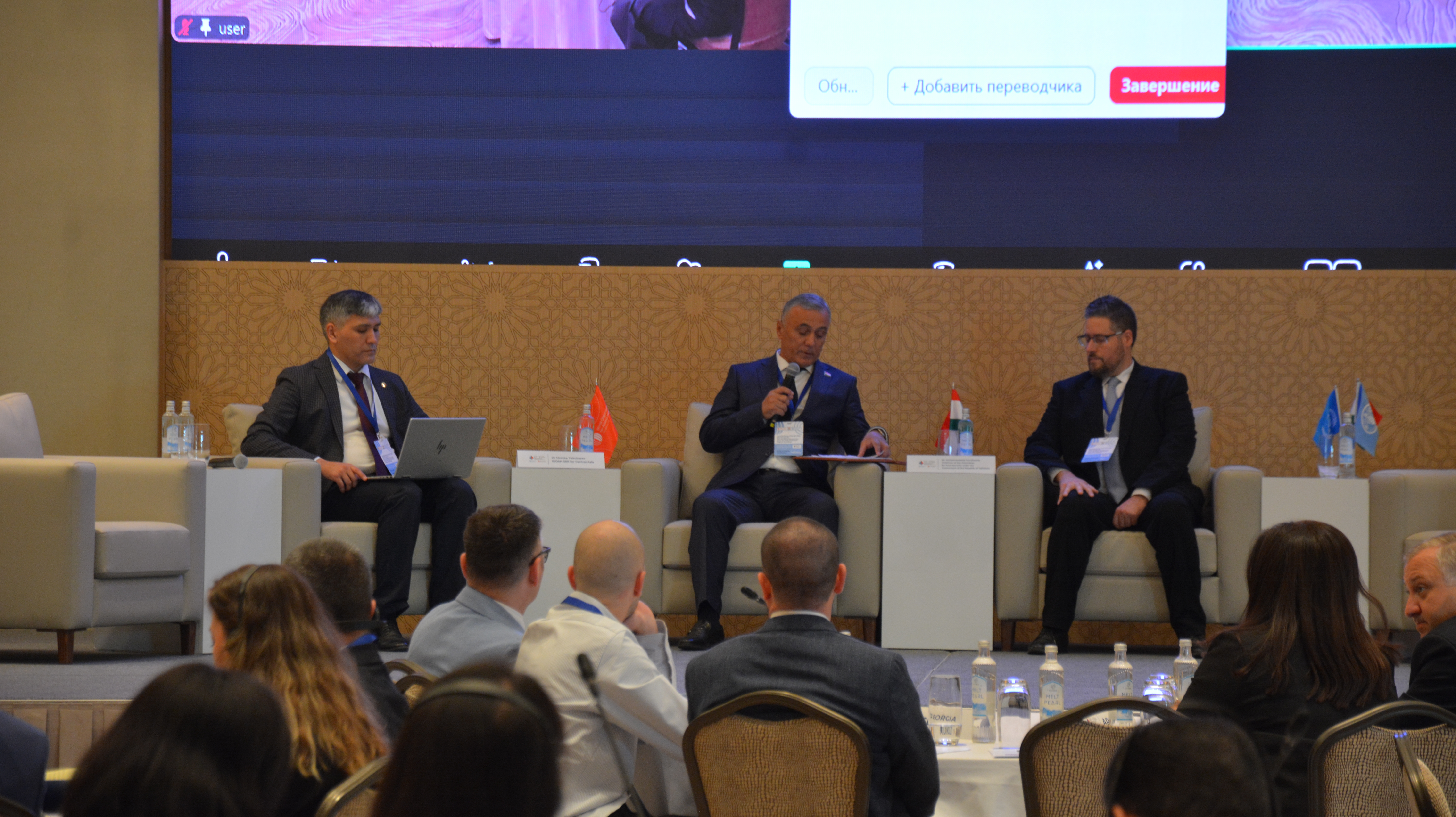
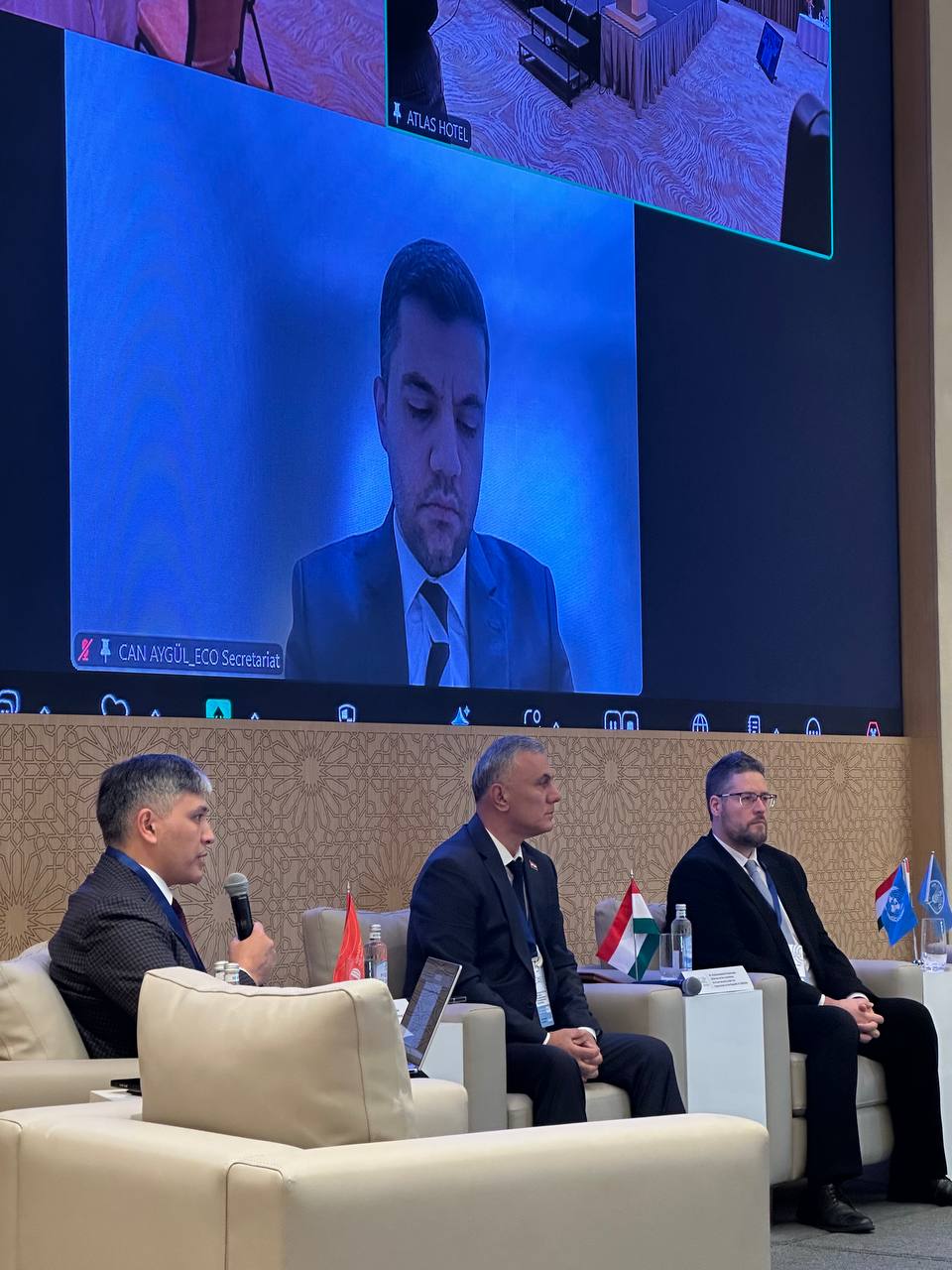
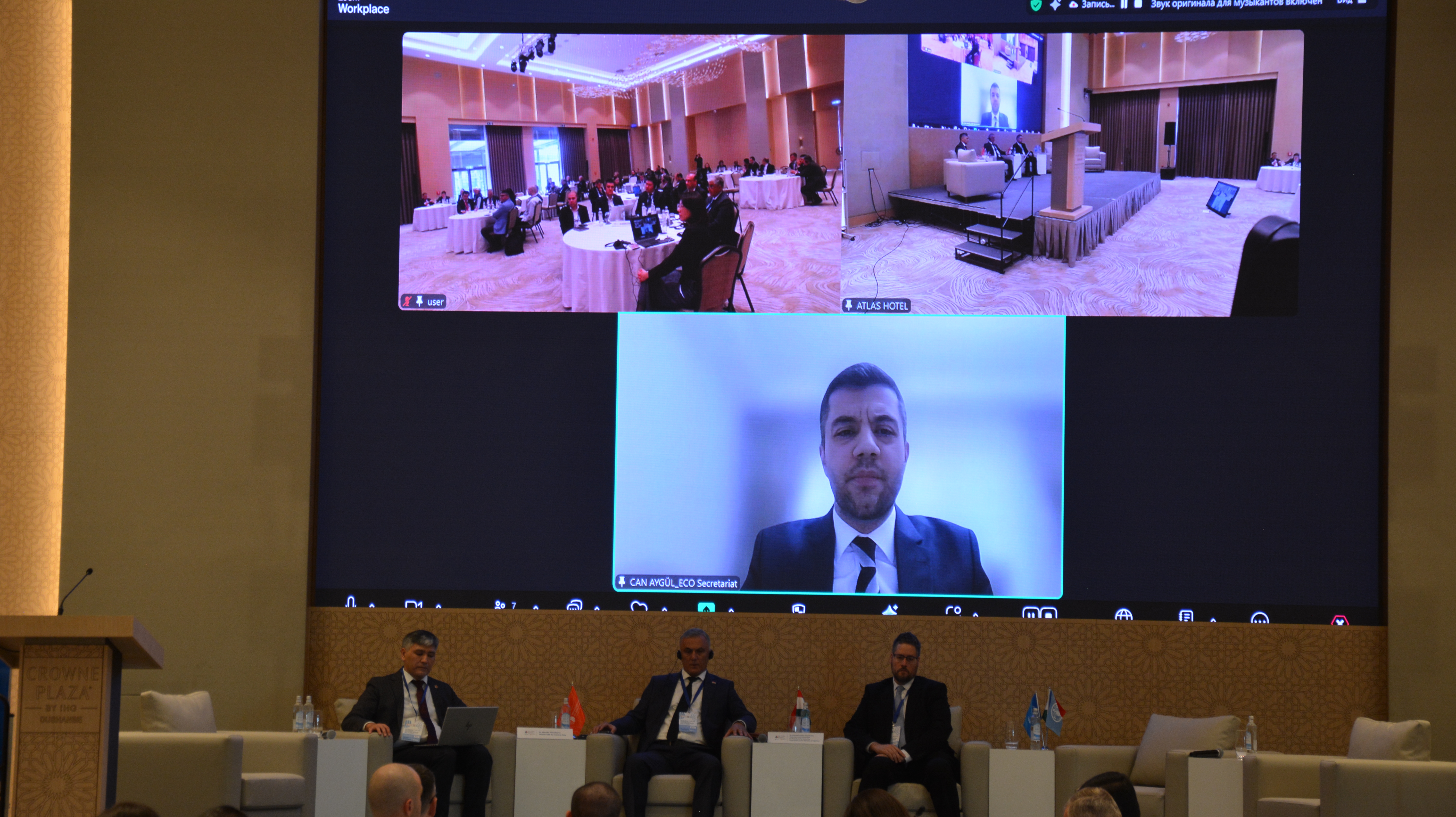
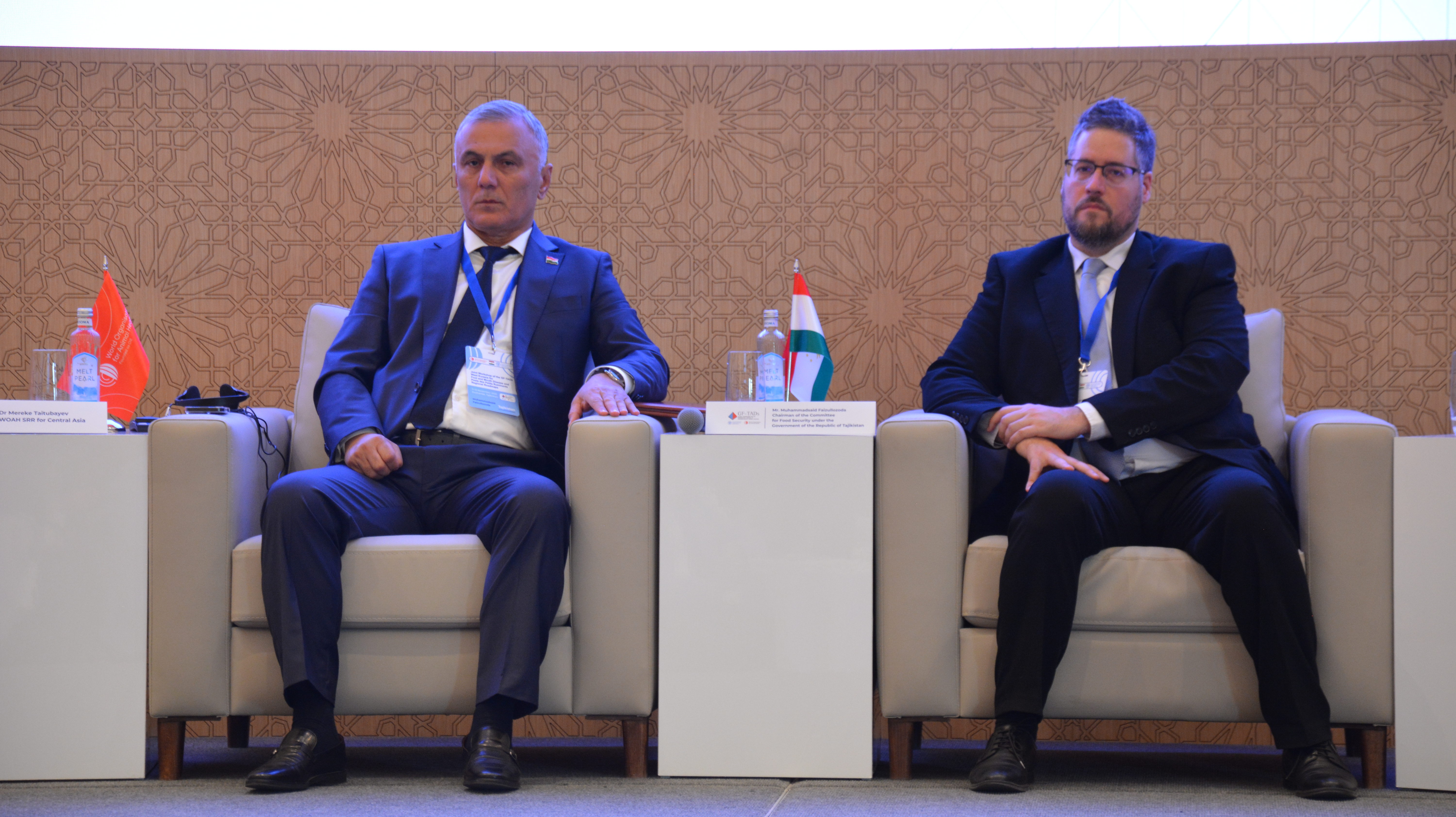
ECO and West Eurasia Countries meet in Dushanbe for Back-to-Back FMD and PPR Roadmap Sessions

Header

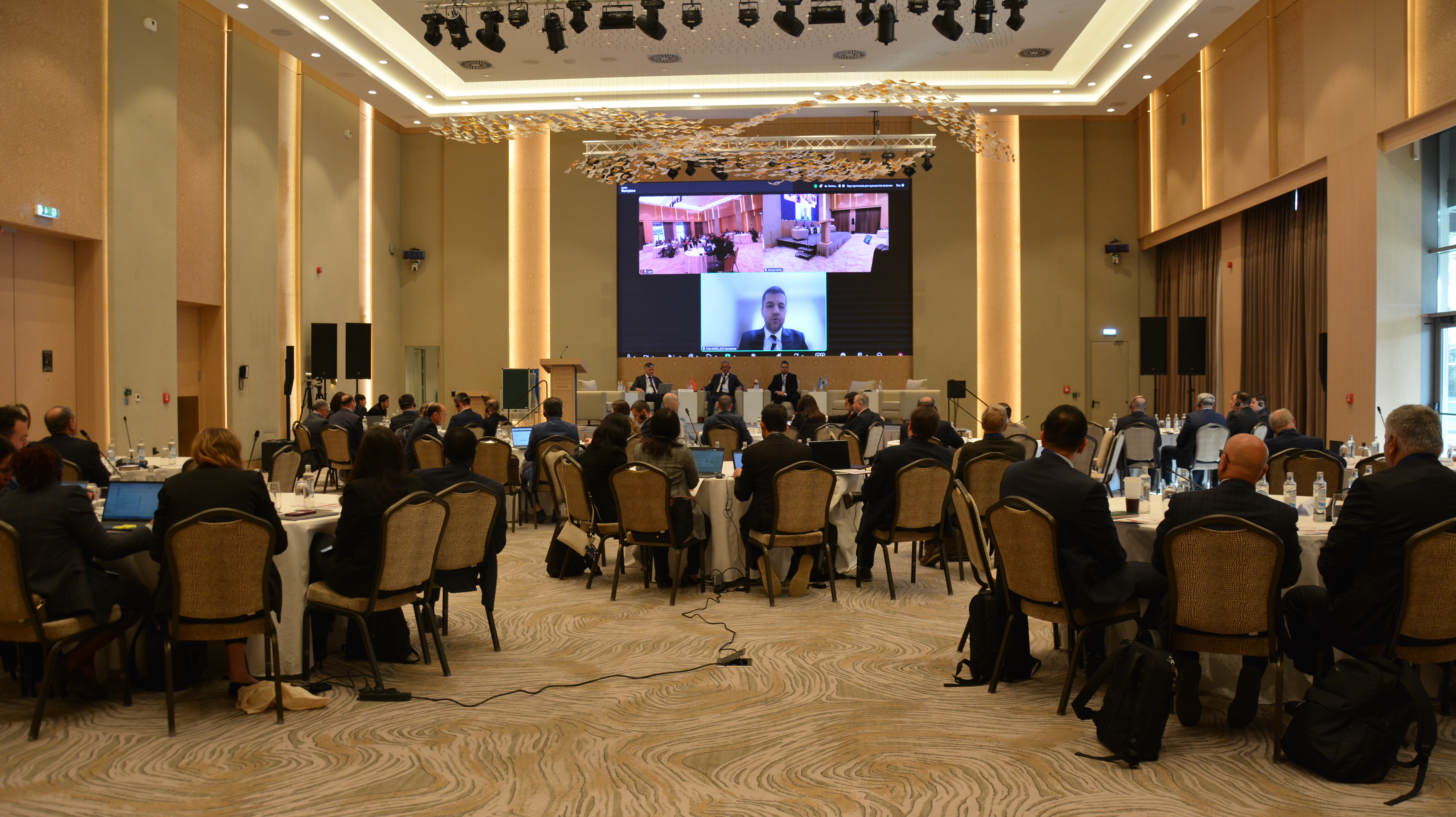
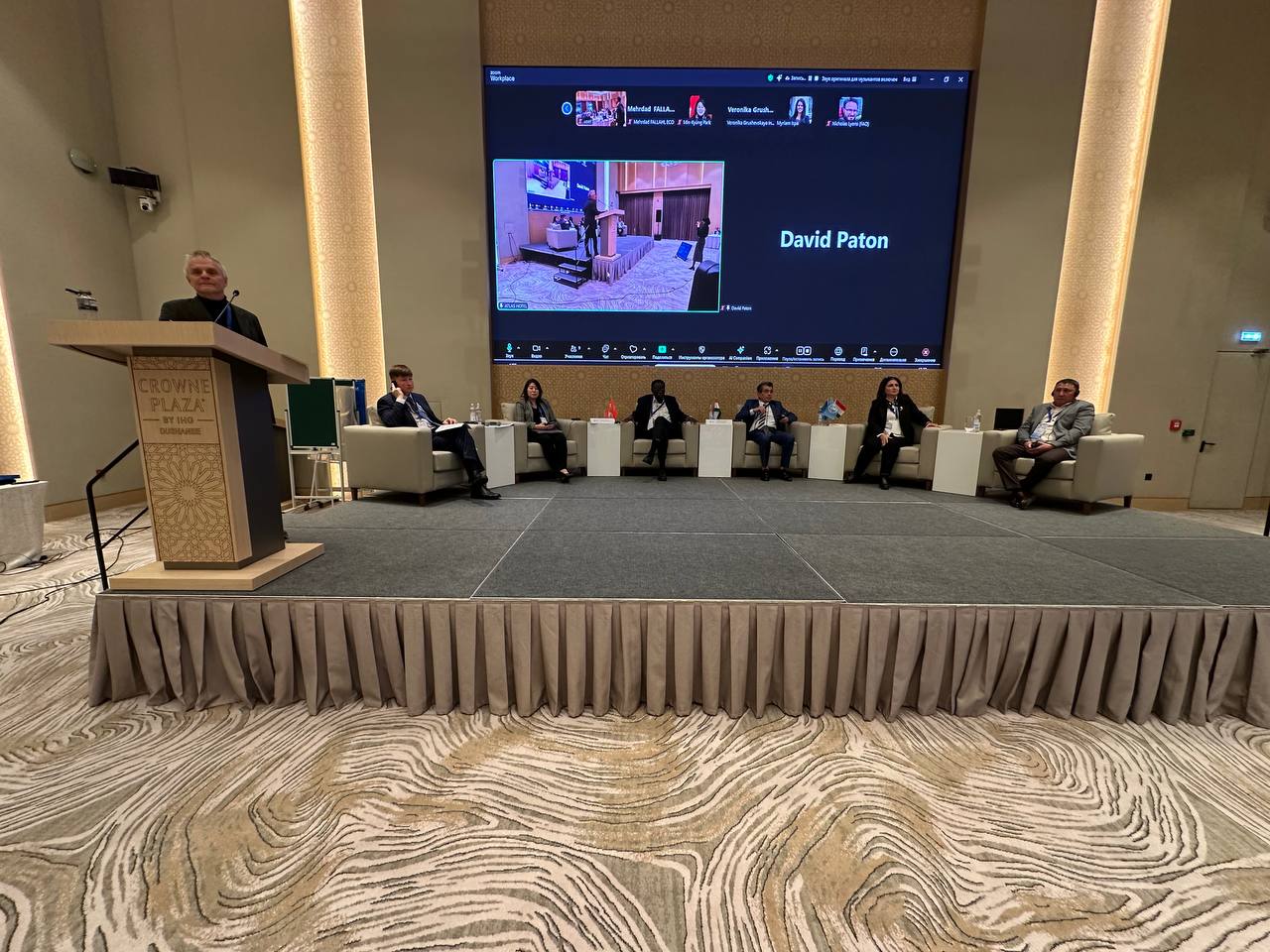
Countries from the West Eurasia (WEA) and Economic Cooperation Organisation (ECO) regions convened in Dushanbe for a joint event hosting the West Eurasia FMD Roadmap Meeting and the PPR Roadmap Meeting for ECO countries. The event enabled countries to maximise regional coordination, share experiences, and strengthen progress toward the global goals of FMD control and PPR eradication by 2030.

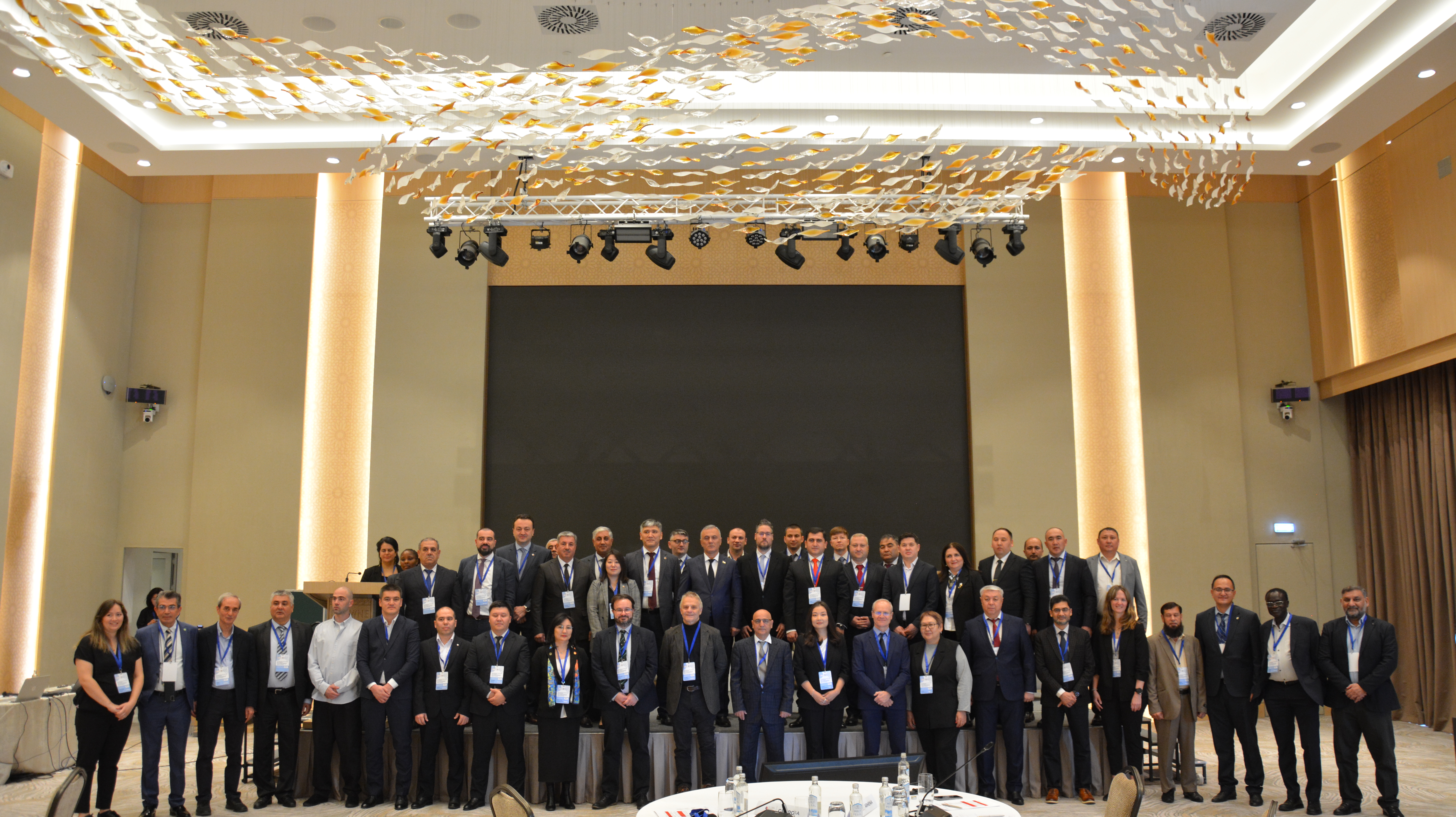
The meeting brought together Delegates and technical experts from Armenia, Azerbaijan, Georgia, Kazakhstan, Kyrgyzstan, Pakistan, Syria, Tajikistan, Türkiye, and Uzbekistan, alongside representatives from FAO, WOAH, EuFMD, international specialists, and partner organisations.

Focus on FMD control in West Eurasia

FMD remains endemic in parts of West Eurasia and continues to present a major obstacle to livestock production, rural livelihoods, and regional trade. Recent incursions in 2024–2025 and the circulation of multiple virus lineages highlight the disease’s ongoing transboundary risks.

Building on progress made since the launch of the West Eurasia Roadmap in 2008, participants reviewed:

  • recent FMDV circulation patterns, including SAT1 and SAT2 incursions;
  • risk-based control approaches and lessons learned from recent outbreaks;
  • socio-economic impacts, including trade limitations and production losses;
  • progress and gaps in PCP-FMD implementation, using updated tools such as the Self-Assessment Tool (SAT)-v2;
  • the role of laboratory and epidemiology networks in strengthening early detection and response;
  • priority needs for vaccination quality, coverage, and coordination.

Countries, with support from the Regional Advisory Group, updated the regional FMD Roadmap through 2027, identifying concrete milestones and technical priorities to advance along the PCP-FMD stages.

Strengthening progress toward PPR eradication in the ECO Region

PPR remains a growing concern across the region, affecting nearly 190 million sheep and goats in Central Asia alone. The recent expansion of the disease with outbreaks reported in Georgia and Bulgaria in 2024, and in Albania and Kosovo* in 2025, as well as cases in Romania and Greece has led to the suspension of the official PPR-free status in several countries.

During the PPR Roadmap sessions, countries:

  • reviewed regional epidemiological developments and previous recommendations;
  • discussed the implications of recurring outbreaks on regional eradication efforts;
  • worked on PMAT self-assessments to support PPR eradication efforts;
  • engaged in country-specific technical sessions to identify weaknesses, gaps, and priority actions;
  • were updated on the procedures for applications to WOAH for endorsement of the official control programmes and PPR free status recognition;
  • and validated the regional PPR strategy, subject to further engagement with ECO.

Key Outcomes

The consultation resulted in:

  • an updated regional epidemiological overview of FMD and PPR;
  • strengthened national capacities to use PCP-FMD and PMAT tools effectively;
  • revised FMD and PPR Regional Roadmaps, with clear timelines and responsibilities for 2026-2030;
  • identification of technical gaps and risks affecting control and eradication progress;
  • agreed mitigation measures, including improved information sharing and laboratory support;
  • defined regional priorities for cooperation and joint activities;
  • and preparation of official meeting recommendations and a comprehensive meeting report for participants.

This joint event reaffirmed the shared commitment of ECO and West Eurasia countries to strengthen veterinary services, accelerate regional cooperation, and advance towards the global goals of FMD control and PPR eradication by 2030. The organisers expressed appreciation to the Government of Tajikistan for hosting the meeting and to all partners for their continued technical and financial support. The outcomes of the meeting and the updated FMD and PPR Roadmaps will guide regional action in the coming years and serve as a foundation for enhanced coordination under the GF-TADs framework.

Materials of the Roadmap meeting

Agenda
Outcomes of the 1st GF-TADs Conference of Europe Dr Vasili Basiladze,
WOAH RR for Europe
Recap of the FMD Global Strategy, its implementation & Governance mechanism – state-of-play Dr Min-Kyung Park,
GF-TADs FMD WG
Overview of global and regional FMD situation, circulating serotypes and topotypes, and vaccine recommendations Dr David Paton,
WRL-FMD
Molecular-epizootiological characteristics and the risk of introduction of exotic FMDV serotypes SAT-1 and SAT-2 Dr Viktor Nikiforov,
ARRIAH
(на русском языке)
Recap of PCP-FMD implementation in WEA: tools available, previous meetings, recommendations and progress Dr Galib Hummat Abdulaliyev,
FMD RAG Chair,
CVO of Azerbaijan
EU vigilance and experience against FMD DG-SANTE
Results of the FMD situation questionnaires and PCP-FMD Self-Assessment


Drs. Muhammad Javed Arshed & Polly Compston,
GF-TADs FMD WG
Experience in developing and implementing an FMD control strategy


Dr Galib Hummat Abdulaliyev, FMD RAG Chair,
CVO of Azerbaijan
RAG roles and responsibilities, as well as composition review Dr Min-Kyung Park,
GF-TADs FMD WG
Risk of FMD virus serotype SAT1/SAT2 introduction and spread in countries in the Near East and West Eurasia Dr Nick Lyons,
GF-TADs FMD WG
Experience of how the Statement of Intention agreement between neighbouring countries in the region has assisted the response to SAT2 Dr Carsten Poetzsch,
EuFMD
FMD EPINET Dr Satenik Kharatyan
FMD WELNET Dr Abdulnaci Bulut
Overview of the PPR Global and Regional situation Dr Viola Chemis,
PPR Secretariat
Regional activities of FAO & WOAH


Drs Mark Hovari and
Mereke Taitubayev,

FAO Europe and WOAH for CA

Presentations of pre-survey results and insights from country presentations given during the pre-meeting webinar Drs Sara Lyshom and
Viola Chemis,
PPR Secretariat
EU experience against PPR DG SANTE
Surveillance in vaccinated vs unvaccinated populations Dr Javier Guitian,
PPR Secretariat
PPR diagnostic support from FAO/WOAH Reference Centre to countries in Central Asia Dr Arnaud Bataille,
CIRAD
PPR diagnostic support from FAO/WOAH Reference Centre to countries in Central Asia Dr William Dundon,
FAO/IAEA Joint Division Centre
Formulating effective vaccination strategies for the eradication of PPR Dr Adama Diallo,
PPR Expert
PPR Vaccine quality control at procurement and during vaccination monitoring Dr Charles Bodjo,
AU-PANVAC
Recap of PMAT implementation in the region: tools available, previous meetings, recommendations and progress Dr Sabitdjan Tulyaganov, Uzbekistan
(на русском языке)
Proposed for adoption: ECO Regional Strategy for the control and eradication of PPR Dr Duriya Charypkhan,
PPR Secretariat
Sensitization on the procedures and requirements for Official recognition of PPR-free status, Endorsement of official PPR control programmes, and Questionnaire to demonstrate maintenance of free status Dr Sara Lysholm, PPR Secretariat
Azerbaijan’s journey to official recognition of PPR-free status or a national strategy for the eradication programme Dr Galib Abdulaliyev,
CVO of Azerbaijan
WAHIS update on FMD and PPR reporting in the region, Dr Jenny Hutchison,
WOAH
Focusing on Actions Taken and Impact: Launch of the First-Ever PVS Self-Assessment Annual Report Dr Jennifer Lasley,
WOAH
Presentation on the updates from the 6th PPR Vaccine Producers Meeting Dr Duriya Charypkhan,

PPR Secretariat

How to strengthen passive surveillance and early warning systems for PPR; importance of zero-reporting & stakeholder engagement in surveillance Dr Javier Guitian,
PPR Secretariat
Designing serological surveys to demonstrate PPR absence Dr Marion Bordier, CIRAD