A strong, well-coordinated workforce is essential to prevent, detect and respond effectively to zoonotic diseases. Strengthening the capacities of professionals working across the human, animal and environmental health sectors is therefore a key component of the One Health approach.
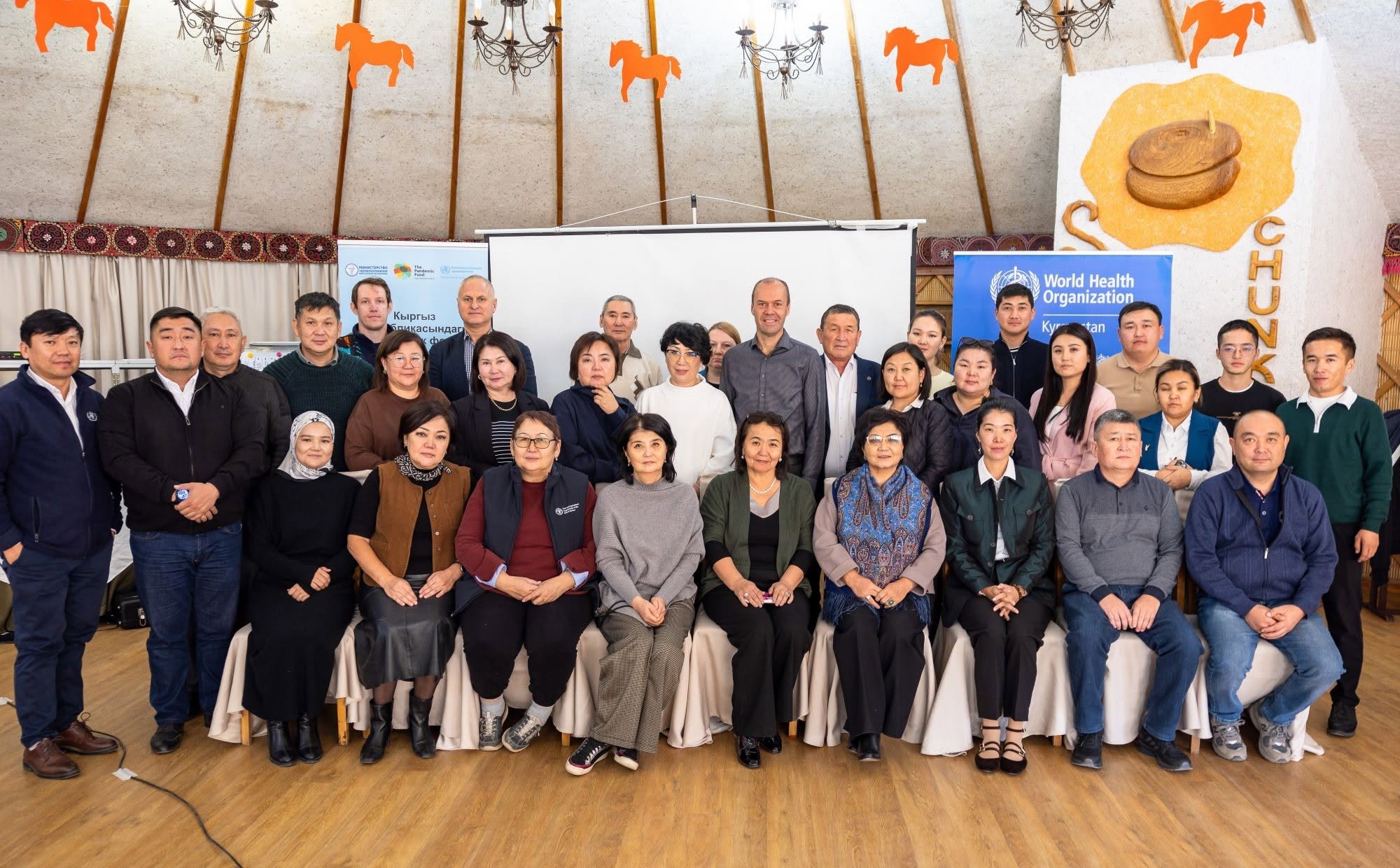
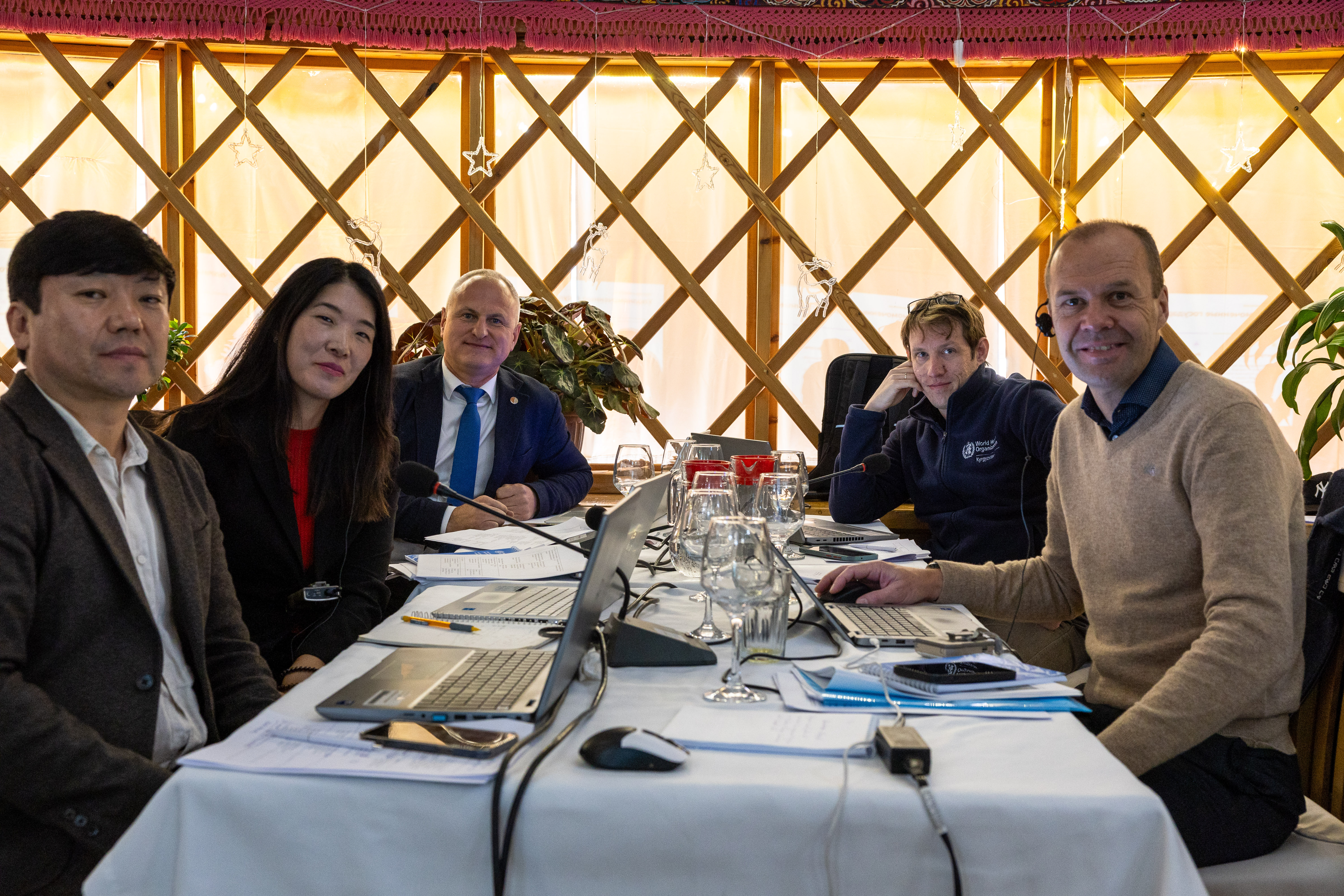
From 20 to 22 October 2026, the World Organisation for Animal Health (WOAH), together with national stakeholders and international partners — the World Health Organization (WHO) and the Food and Agriculture Organization of the United Nations (FAO) — supported a workshop on One Health Workforce Development in Kyrgyzstan. The event aimed to help the country adopt an evidence-based approach to identifying and addressing workforce needs for zoonotic disease management.
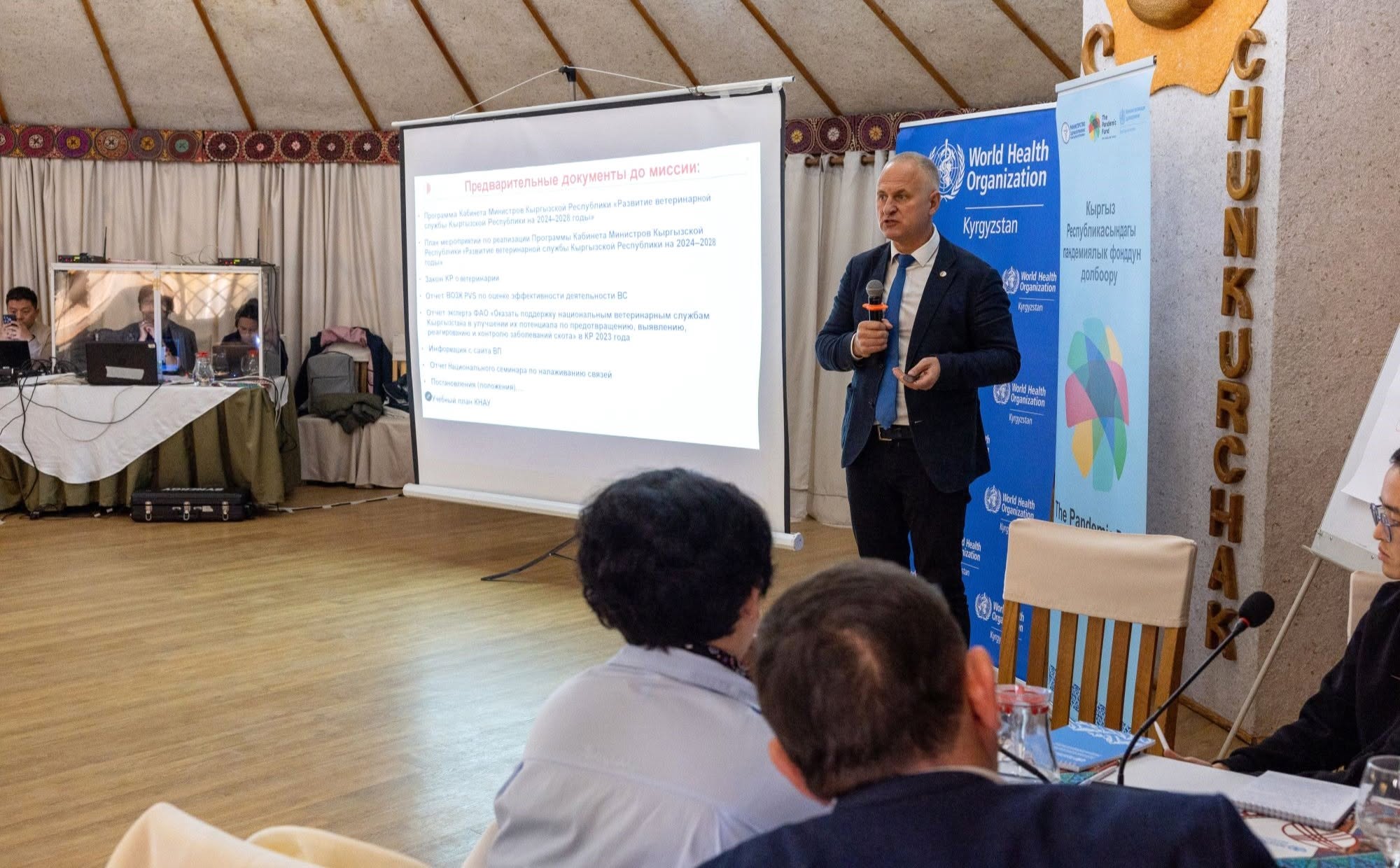
Dr Dmitry Morozov of the WOAH Sub-Regional Representation for Central Asia participated as a partner and presented specific recommendations based on an earlier WOAH mission assessing veterinary workforce development in Kyrgyzstan. His contribution brought the veterinary perspective into broader discussions on multisectoral workforce planning, professional capacities and the skills needed to fulfil national responsibilities for zoonotic disease prevention and control.
The workshop applied the Workforce Development Operational Tool (WFD OT), developed under the Tripartite Zoonoses Guide. The tool provides a structured approach to analysing the workforce required for effective One Health collaboration, identifying gaps in functions, occupations and competencies, and translating the findings into workforce development priorities.
Participants reviewed the existing workforce situation analysis for Kyrgyzstan and examined the functions and responsibilities required across sectors to manage zoonotic diseases. They discussed which occupations contribute to these functions, the challenges faced by the workforce, and the education, training and resources needed to strengthen performance at national, regional and local levels.
The workshop resulted in agreement on 10 priority functions for zoonotic disease management. Participants also mapped occupations and responsibilities, identified workforce and institutional gaps, discussed competency and resource needs, and developed recommendations for action.
This process helps connect workforce planning with the practical responsibilities that professionals must carry out. It also provides a basis for identifying where improvements in staffing, institutional arrangements, education and training could have the greatest impact.
Veterinary Services play a central role in the One Health approach. Veterinarians and veterinary paraprofessionals contribute to disease surveillance, early detection, investigation and response, as well as animal health protection and veterinary public health. Their effectiveness depends not only on individual technical skills, but also on adequate staffing, clear responsibilities, appropriate education and continuing professional development.
Building on the findings of the earlier WOAH mission in Kyrgyzstan, Dr Morozov presented recommendations addressing veterinary workforce assessment and planning, professional regulation, veterinary education, training for veterinary paraprofessionals and continuing professional development.
These areas are closely connected. A clearer understanding of workforce numbers, distribution and competencies can help authorities identify critical gaps and plan targeted interventions. Effective professional regulation and competency-based education can support the development of a qualified workforce, while continuing professional development helps professionals maintain and strengthen their skills throughout their careers.
Integrating these elements into multisectoral workforce planning can help ensure that veterinary professionals are equipped to contribute effectively to national One Health priorities.
The workshop underscored the importance of translating workforce analysis into practical, prioritised and sustainable measures. Its findings provide a foundation for further planning, including the consideration of workforce needs, competency development and resource requirements across relevant sectors.
For Kyrgyzstan, the next challenge is to build on the workshop’s results and incorporate agreed priorities into coordinated workforce development planning. Sustained collaboration among national authorities and partners will be important to ensure that recommendations can be translated into feasible actions and monitored over time.
WOAH will continue to support its Members in strengthening Veterinary Services and developing veterinary workforces aligned with international standards. Through collaboration with WHO and national partners, this work contributes to a more capable, connected and resilient One Health workforce — better equipped to manage zoonotic disease risks and protect animal and human health.