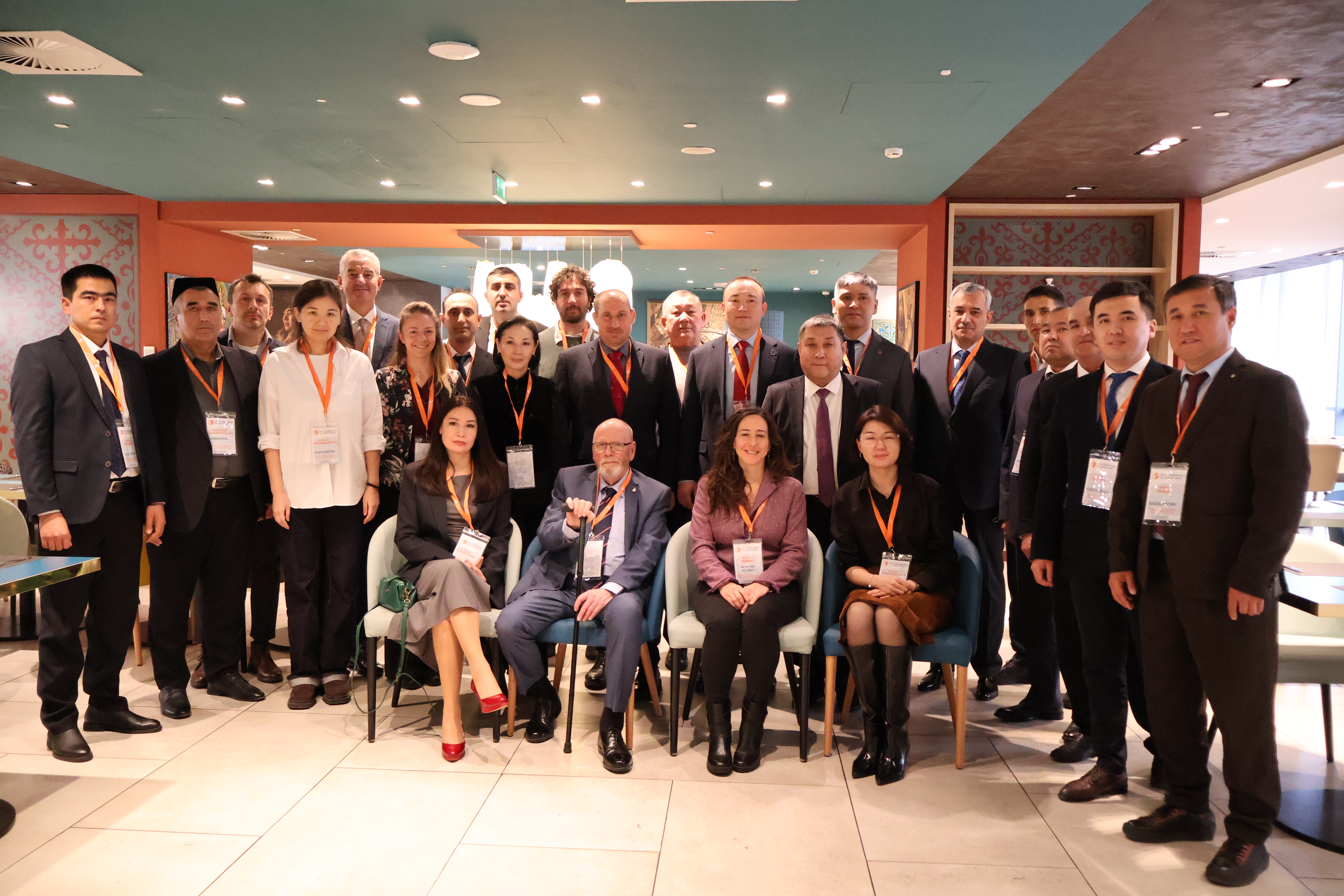
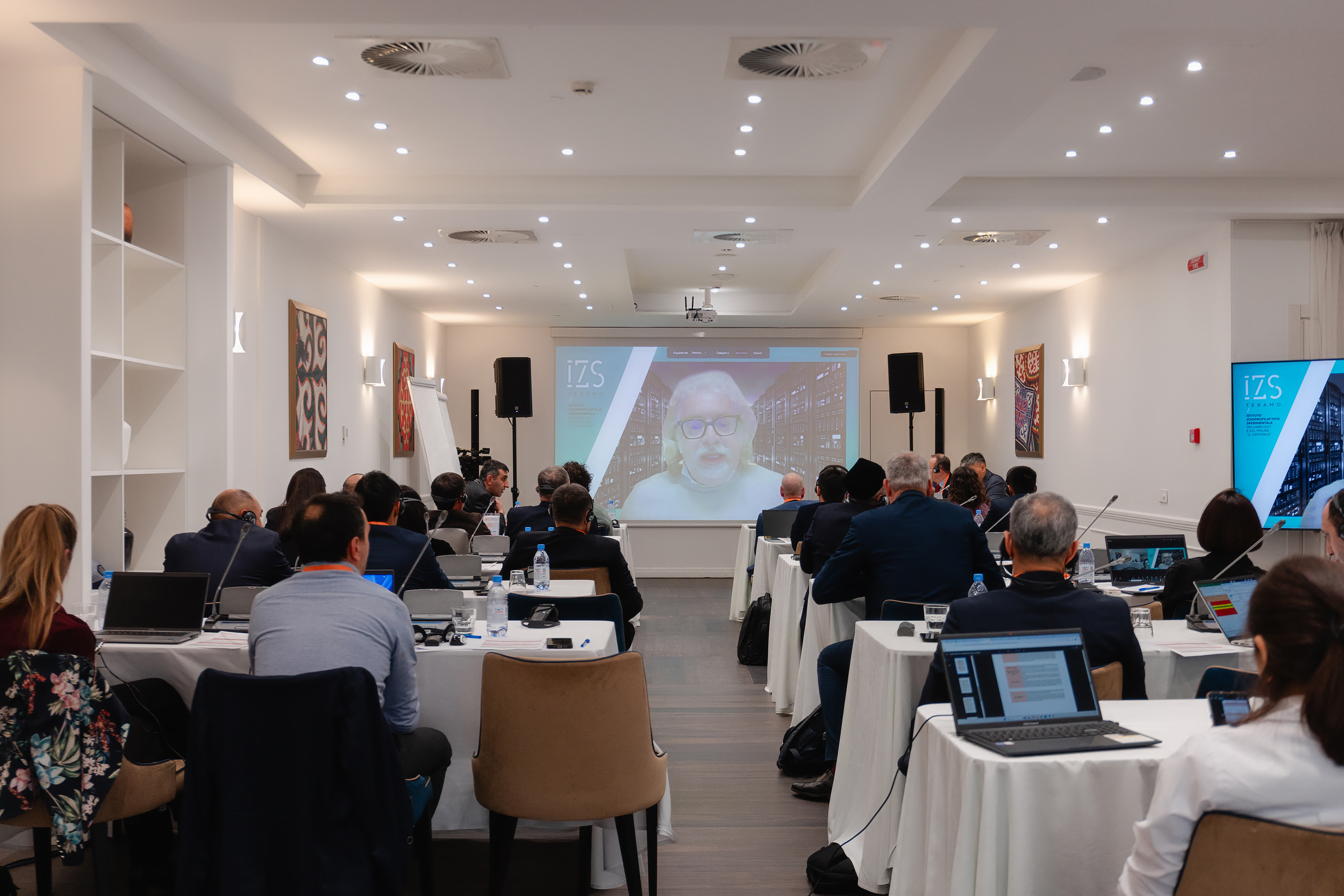
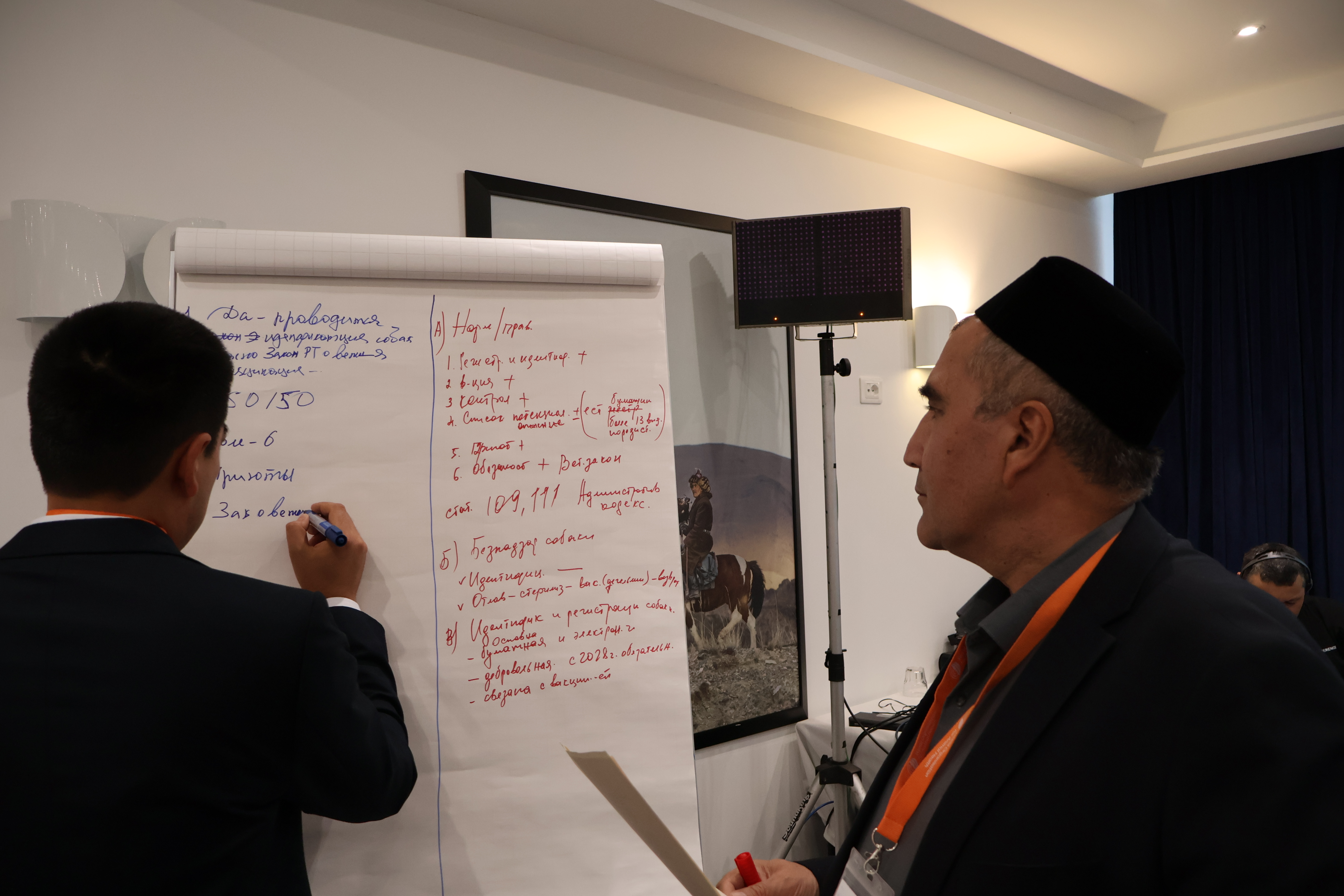
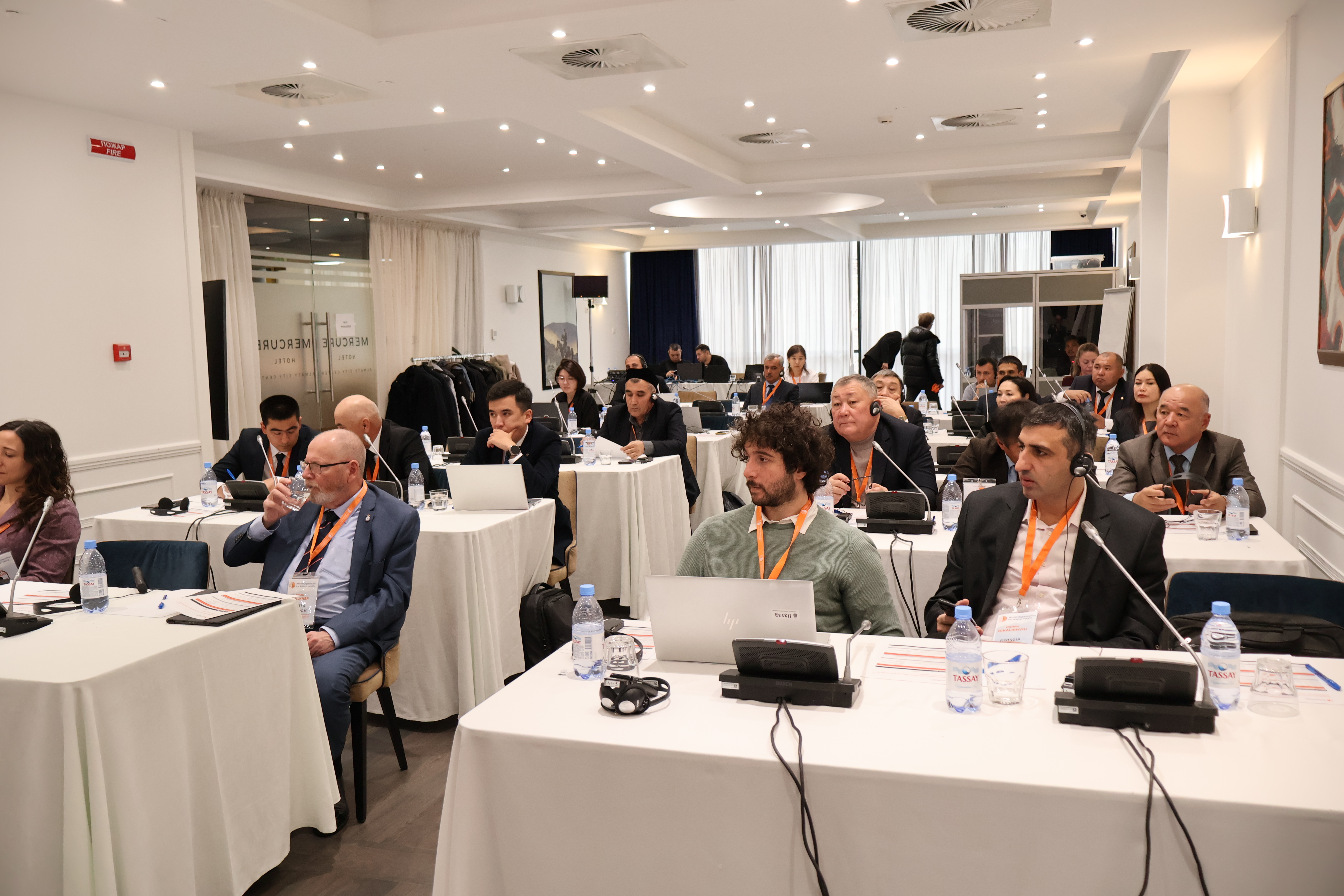
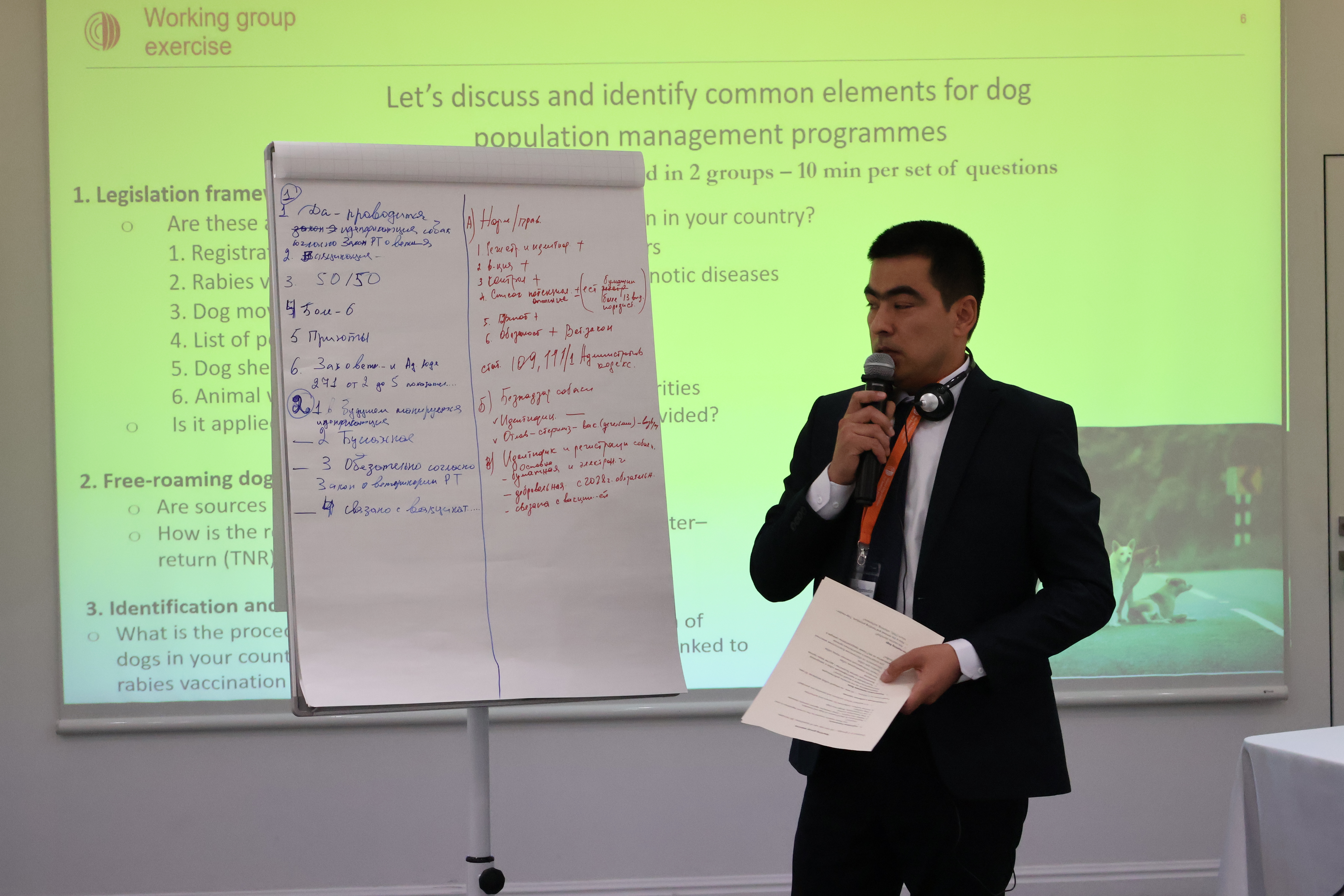
The 5th WOAH Regional Workshop on Dog Population Management for the Caucasus and Central Asia was held in Almaty, Kazakhstan, from December 2 to 4, 2025. The workshop was organized under the WOAH Regional Platform on Animal Welfare for Europe and brought together a total of 29 participants including representatives of six WOAH Member Countries (Azerbaijan, Georgia, Kazakhstan, Kyrgyzstan, Tajikistan, and Uzbekistan) technical experts, national and local NGO representatives, and WOAH staff.
The main objective of the workshop was to assist WOAH Members Countries from Central Asia and the Caucasus in achieving the agreed vision of full compliance with Chapter 7.7 of the WOAH Terrestrial Animal Health Code on Dog Population Management by 2030.
The meeting provided an opportunity to review the key provisions of Chapter 7.7 of the Terrestrial Animal Health Code, present relevant WOAH activities and available tools, share national plan templates, and provide updates on the proposed EU regulation on Animal Welfare and its implications for non-EU countries.
Members reported on their dog population management and rabies control programmes, highlighting progress, challenges, and priorities.
The Self-Assessment and Monitoring System for Dog Population Management (SAM4DPM) was presented by the WOAH Collaborating Centre IZS Teramo, giving the foundations for the next round of self-assessments.
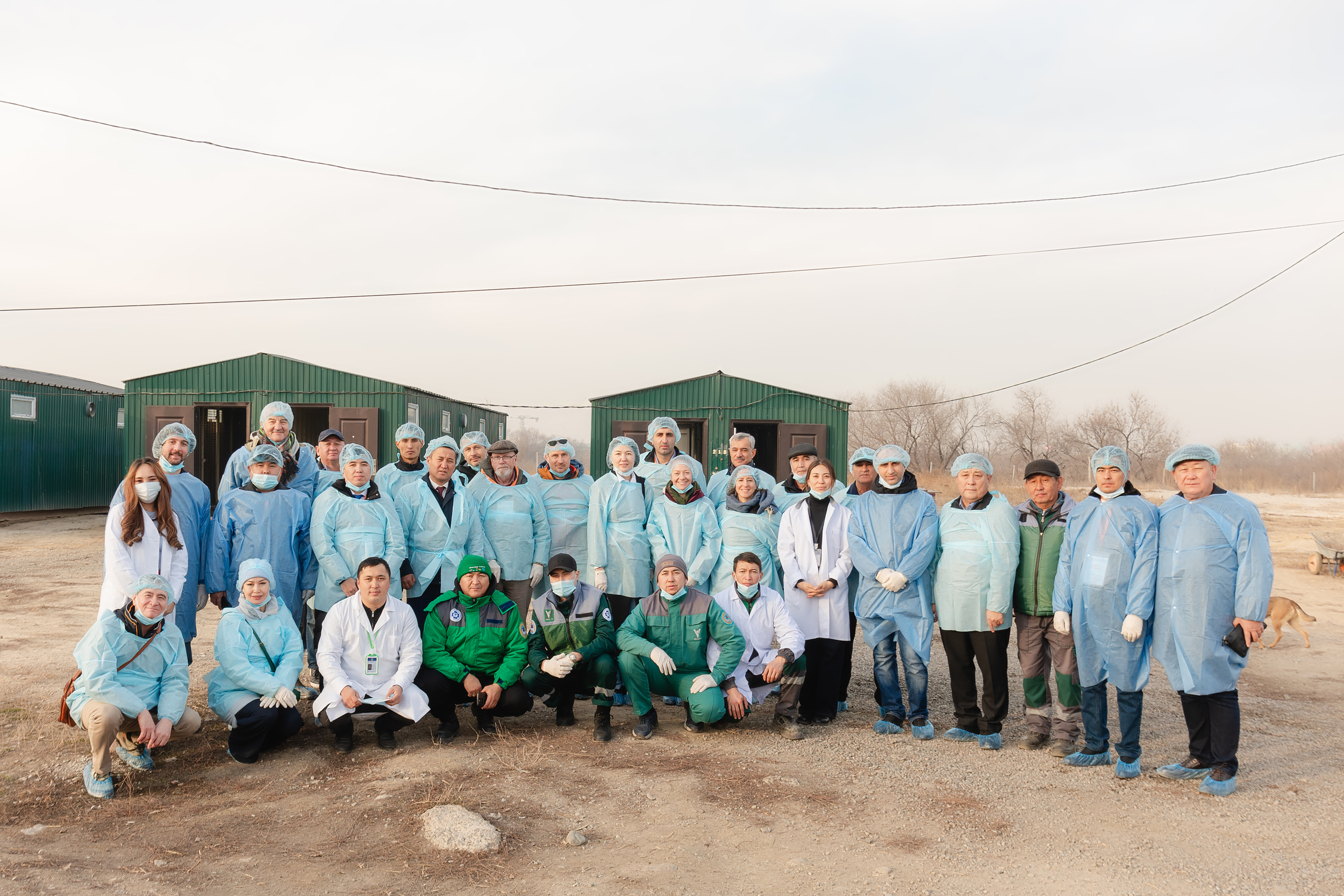
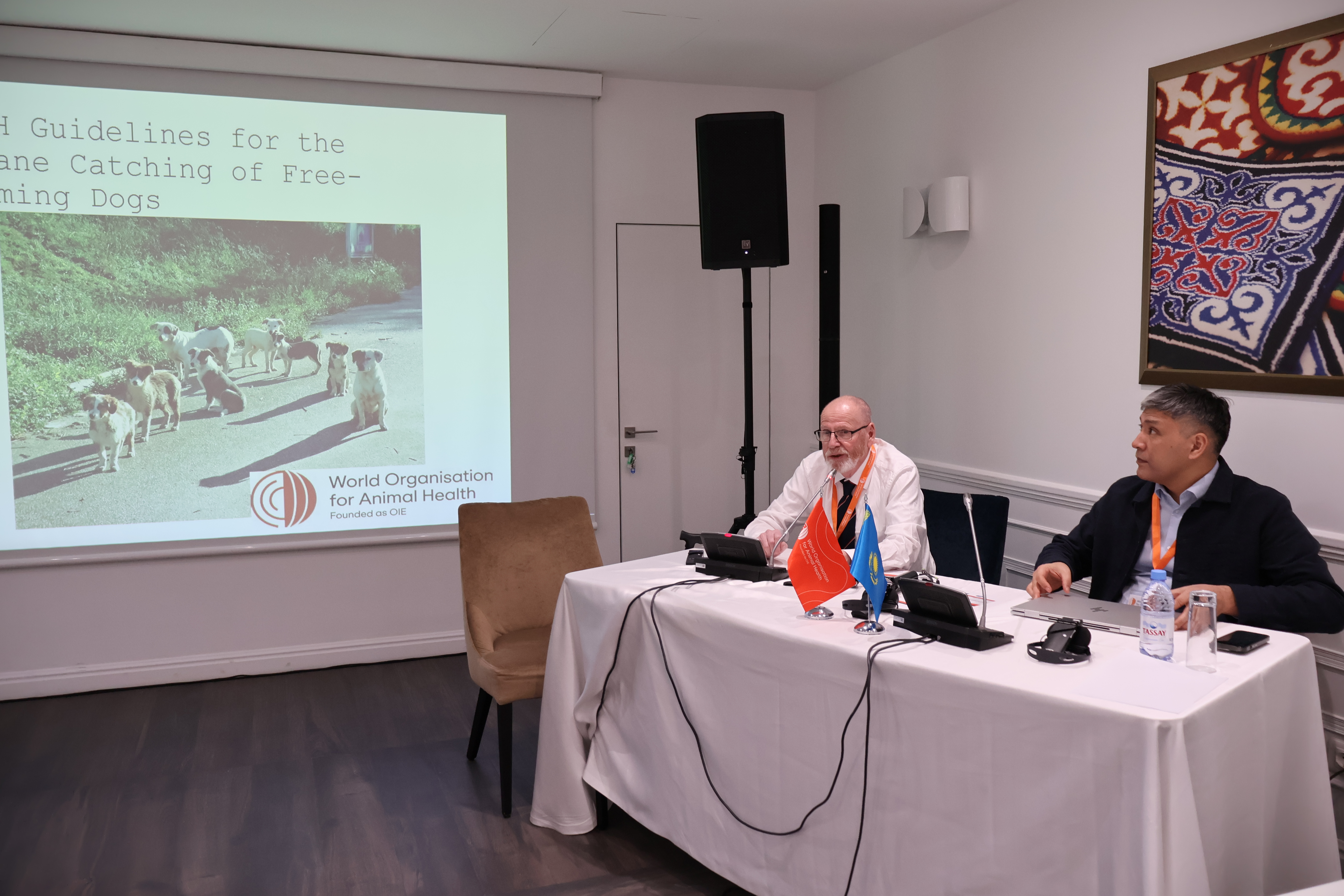
The technical sessions addressed dog behaviour assessment, humane capture methods, and the role of NGOs, and were complemented by case studies and a field visit to a shelter.
The final day focused on One Health aspects, public health risks, and WOAH tools for the control of dog–mediated rabies.
The working group sessions and discussions outlined the next steps to strengthen national and regional progress towards improved dog population management, free-roaming dogs’ control and dog-mediated rabies elimination. Participants identified gaps in stakeholder coordination, funding, legislation, and public awareness as key barriers to implementing WOAH Chapter 7.7. For dog-mediated rabies, low risk perception, limited reliable data, and weak identification and registration systems remain as the most critical challenges. Strengthening regulatory frameworks was highlighted as the top priority, together with improved monitoring of dog population management, and sustained vaccination efforts. Tailored technical assistance and stronger national commitment are needed to advance responsible dog ownership and effective rabies control.
The workshop was funded by the European Union and the Royal Society for the Prevention of Cruelty to Animals (RSPCA) and was kindly hosted by Kazakhstan.
Please find more details in the meeting report
Workshop agenda
| Day 1 (2/12/2025) | |
| Session 1: Opening | |
| Welcome address and agenda overview | Kazakhstan and WOAH representatives |
| WOAH Platform for Animal Welfare in Europe | Tomasz Grudnik (WOAH Sub – Regional Representation in Brussels) |
| Dog population management – Terrestrial Animal Health Code, Chapter 7.7 TAHC | Paolo Dalla Villa (WOAH Standards Department) |
| Dog population management programs | Paolo Dalla Villa |
| Session 2: Overall situation and tailor made support | |
| Self-assessment and monitoring tool for dog population management (SAM4DPM) | Luigi Possenti (IZS Teramo) remote |
| Country reports on current dog population management and rabies situation | |
| Veterinary Services national plan for dog population management programmes | Tomasz Grudnik |
| Outcomes of the Responsible Pet Ownership event and EU regulation proposal for the welfare and traceability of dogs and cats | Denise Dubois (WOAH Sub – Regional Representation in Brussels) |
| Working Group Session: challenges, needs, and priority activities in Caucasus and Central Asia | All |
| Day 2 (3/12/2025) | |
| Session 3: Horizontal topics | |
| Tools and methodologies for the assessment dog behaviours and Humane methods for catching and handling free-roaming dogs | Brian Faulkner (Stray Animal Solutions) |
| Temperament Testing of Free Roaming Dogs | Brian Faulkner |
| The NGOs’ role in guiding and supporting government strategies for DPM and free-roaming dog’s control | Alexandra Hammond-Seaman (RSPCA) (remote) |
| NGO perspective: Animal Welfare: Current Situation in the Republic of Kazakhstan | Lillia Sarsenova (INUCOBO) |
| Dog population management project in Romania – case study | Luca Secker (German Animal Welfare Federation)(remote) |
| State-owned municipal shelter enterprise with the right of economic management “Almaty Veterinary Service” Department of Entrepreneurship and Investment of the City of Almaty | |
| Session 4. On-field activities | |
| Visit to the shelter center | |
| Day 3 (4/12/2025) | |
| Session 5: Dog population management – public health aspects, and next steps for the roadmap | |
| One – Health approach to dog-mediated public health risks | Vlad Vuta (WOAH Reference Laboratory for Rabies Romania – Institute for Diagnosis and Animal Health) |
| WOAH tools for rabies control programs | Rachel Tidman (WOAH Global Rabies Coordinator, Science Department) |
| Round table discussion – next steps towards the achieving sub-regional vision for dog population management and rabies by 2030 Interactive session | All |
| Closing remark | WOAH |
PDF - 523.84KB