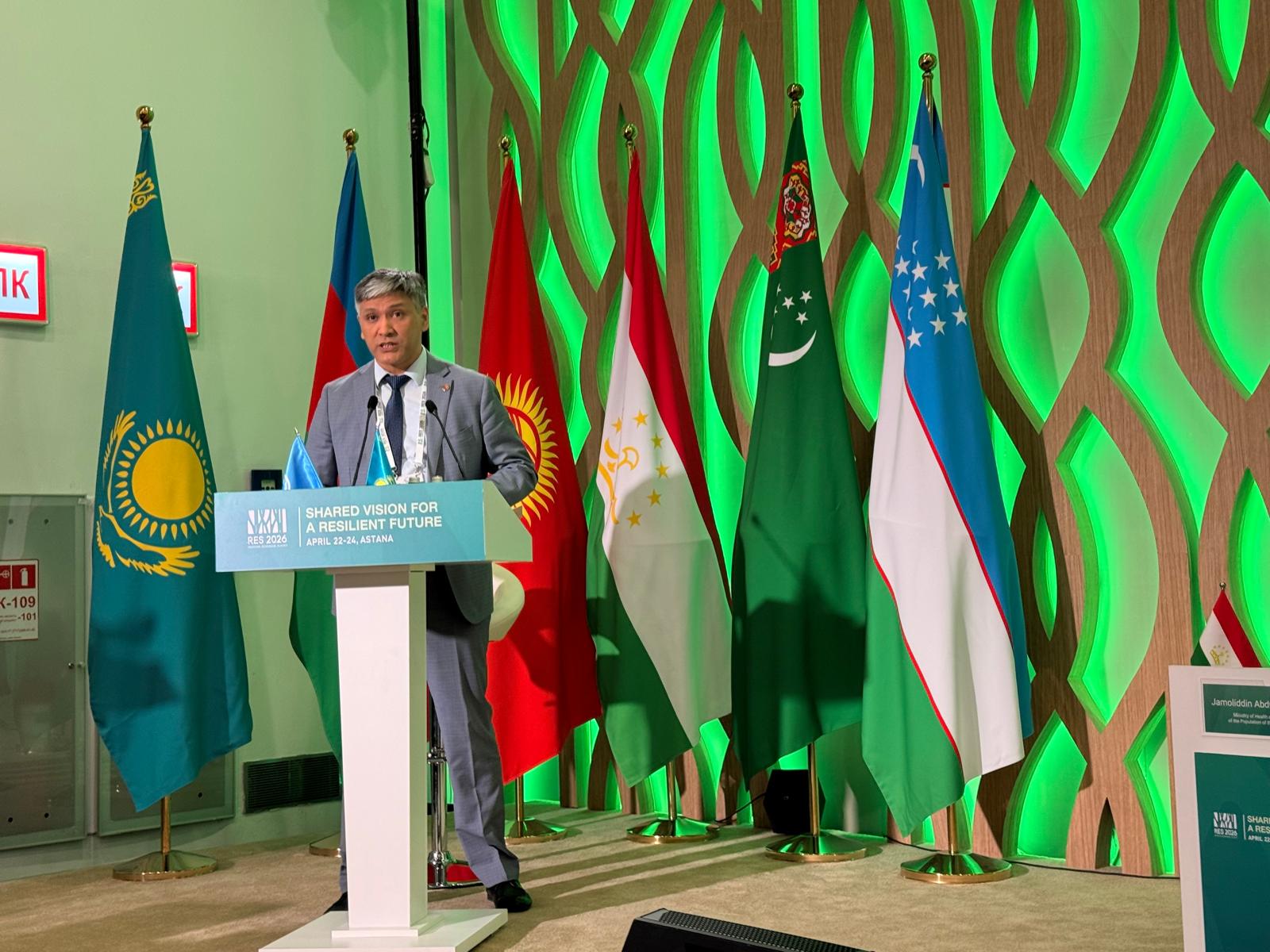
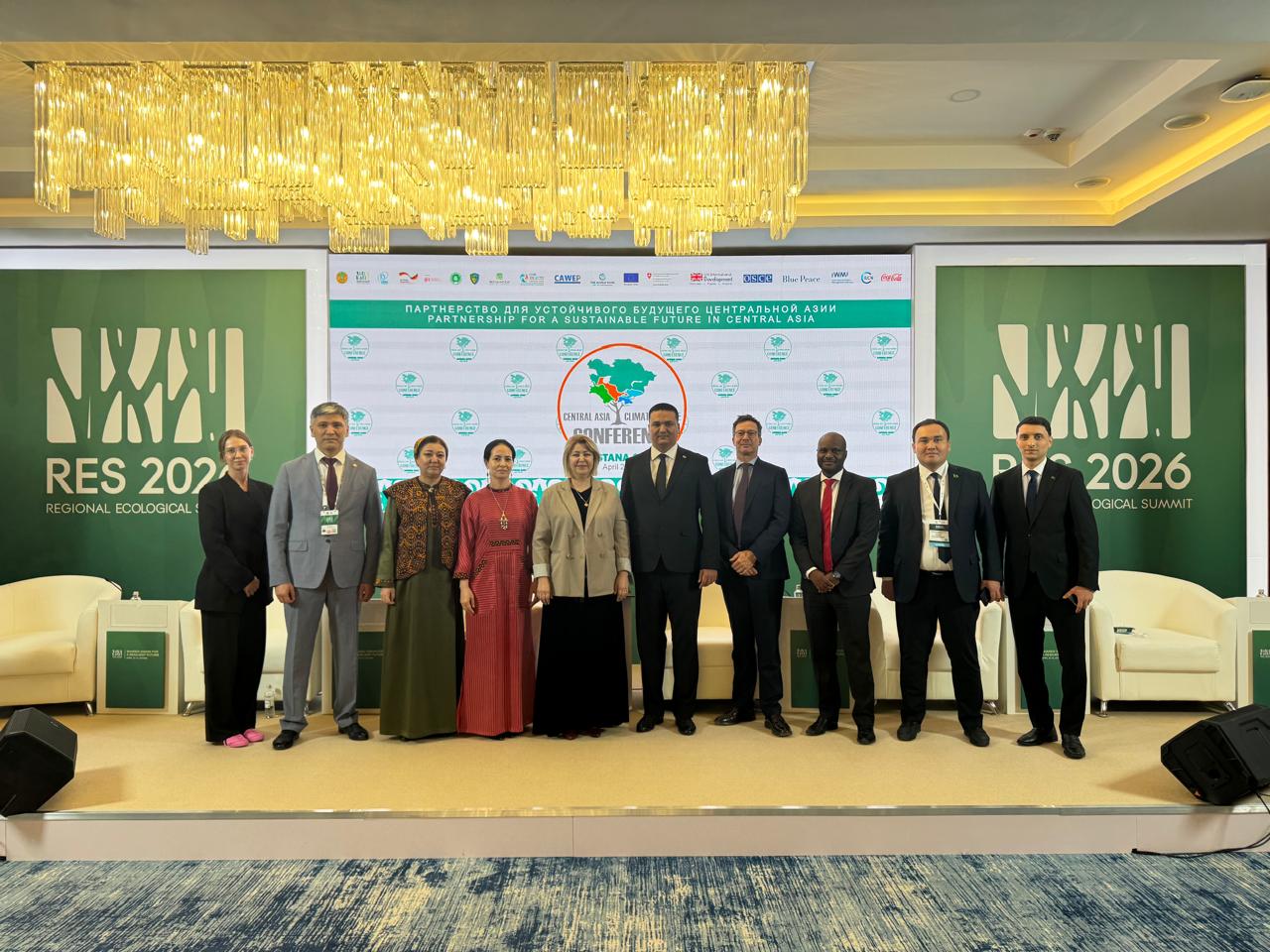
From 22 to 24 April 2026, the Regional Ecological Summit (RES-2026) brought together governments, international organizations, and development partners in Astana, Kazakhstan, to advance regional cooperation on climate resilience and environmental sustainability in Central Asia.
A central theme of the Summit was the One Health approach, recognizing the interconnectedness of animal, human, and ecosystem health. As climate change continues to intensify biological risks across the region, the need for coordinated, cross-sectoral action has never been more urgent.
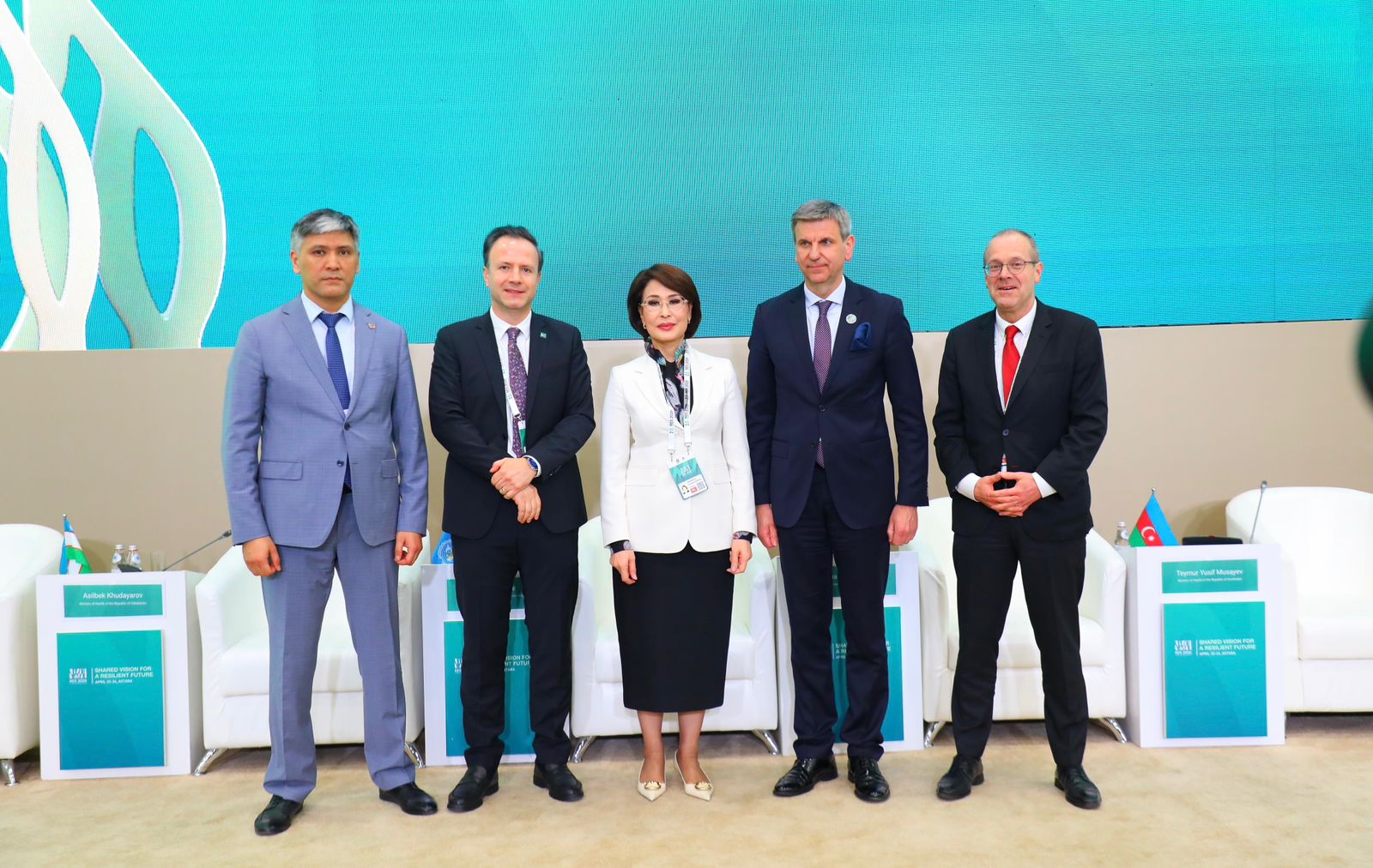
A key milestone of the Summit was the Regional One Health Coordination Mechanism (ROHCM) Chair Transfer Ceremony, where leadership was formally transferred from FAO to WHO.
This transition reaffirmed the commitment of the Quadripartite partners — FAO, WHO, WOAH and UNEP — to strengthening regional collaboration and advancing the One Health agenda. The ceremony highlighted achievements in multisectoral coordination and set the stage for continued joint action across Central Asia.
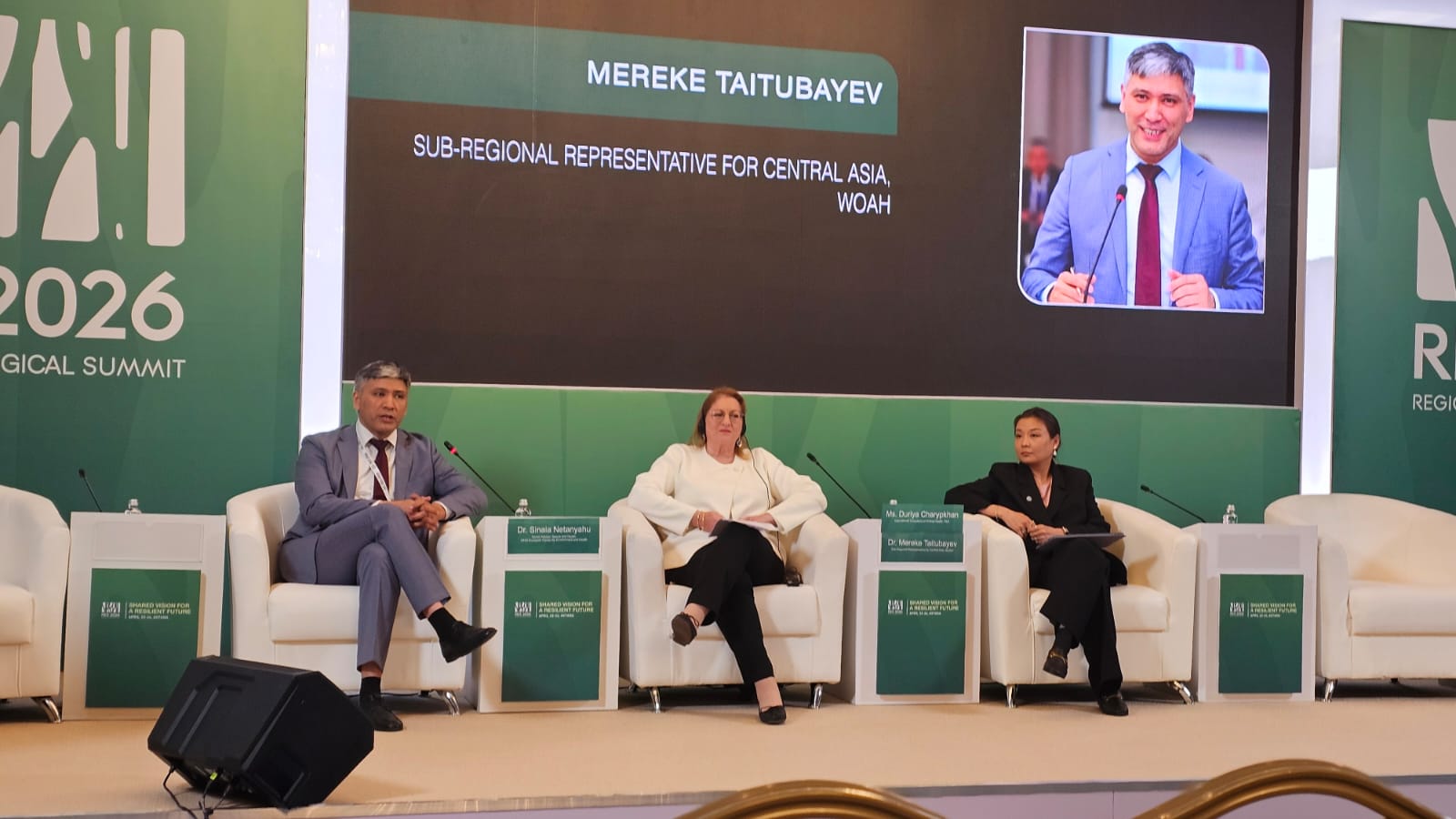
During the Regional One Health panel session, discussions focused on translating political commitment into concrete action. Participants emphasized:
To support this, WOAH highlighted priority actions for the region:
At the same time, participants identified persistent challenges, including fragmented governance frameworks, limited workforce capacity, and gaps in laboratory systems and cross-border data exchange.
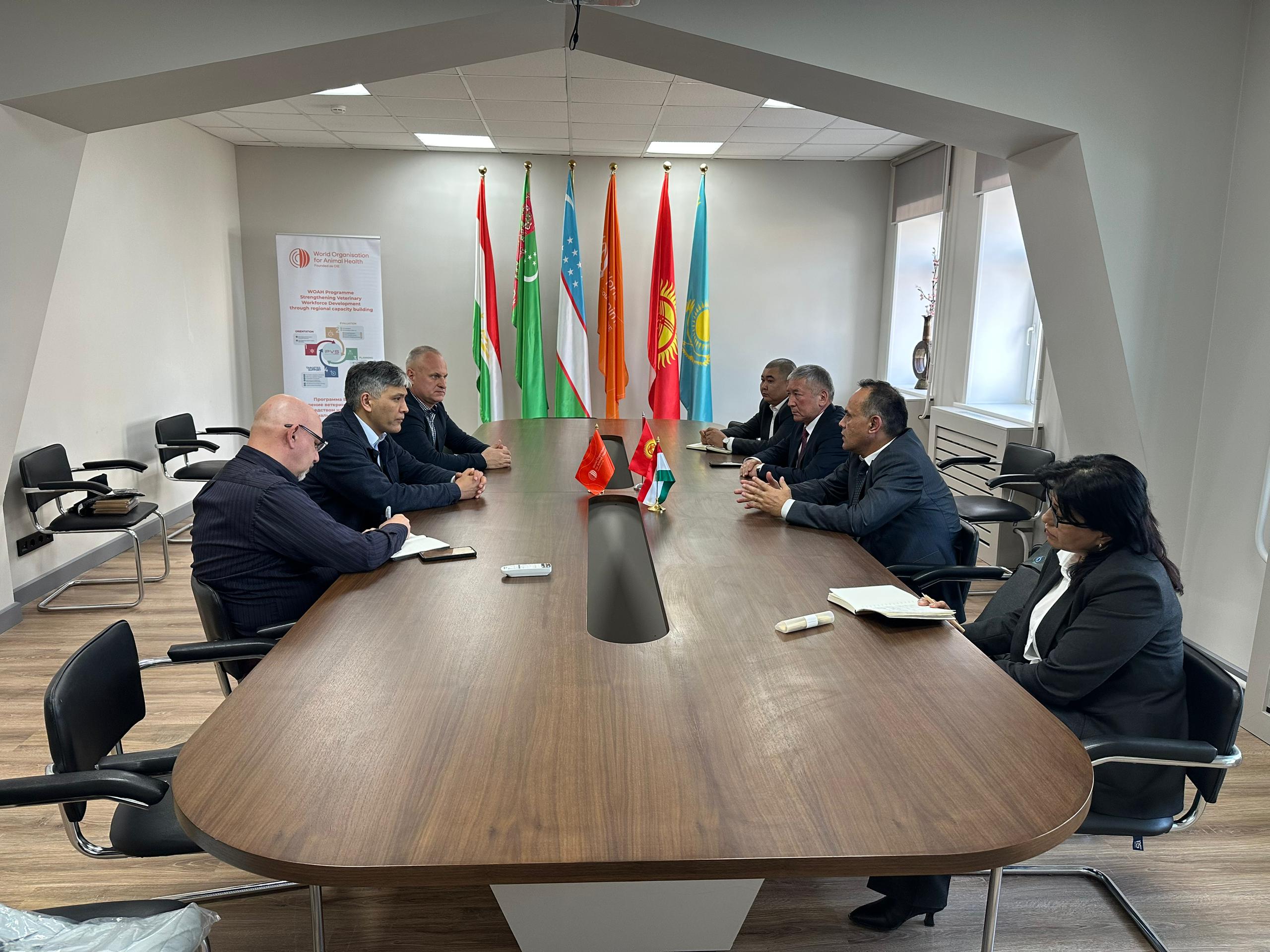
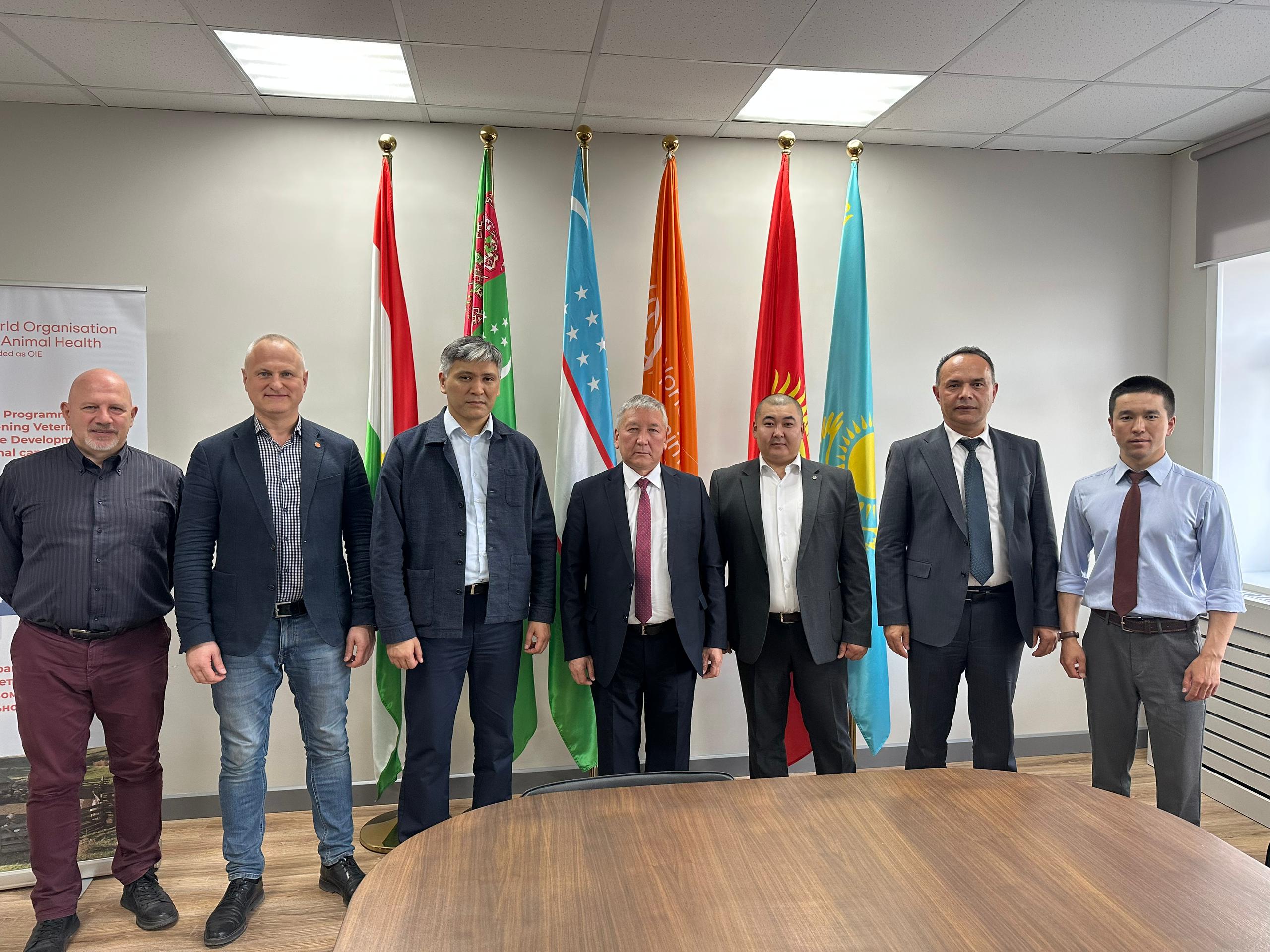
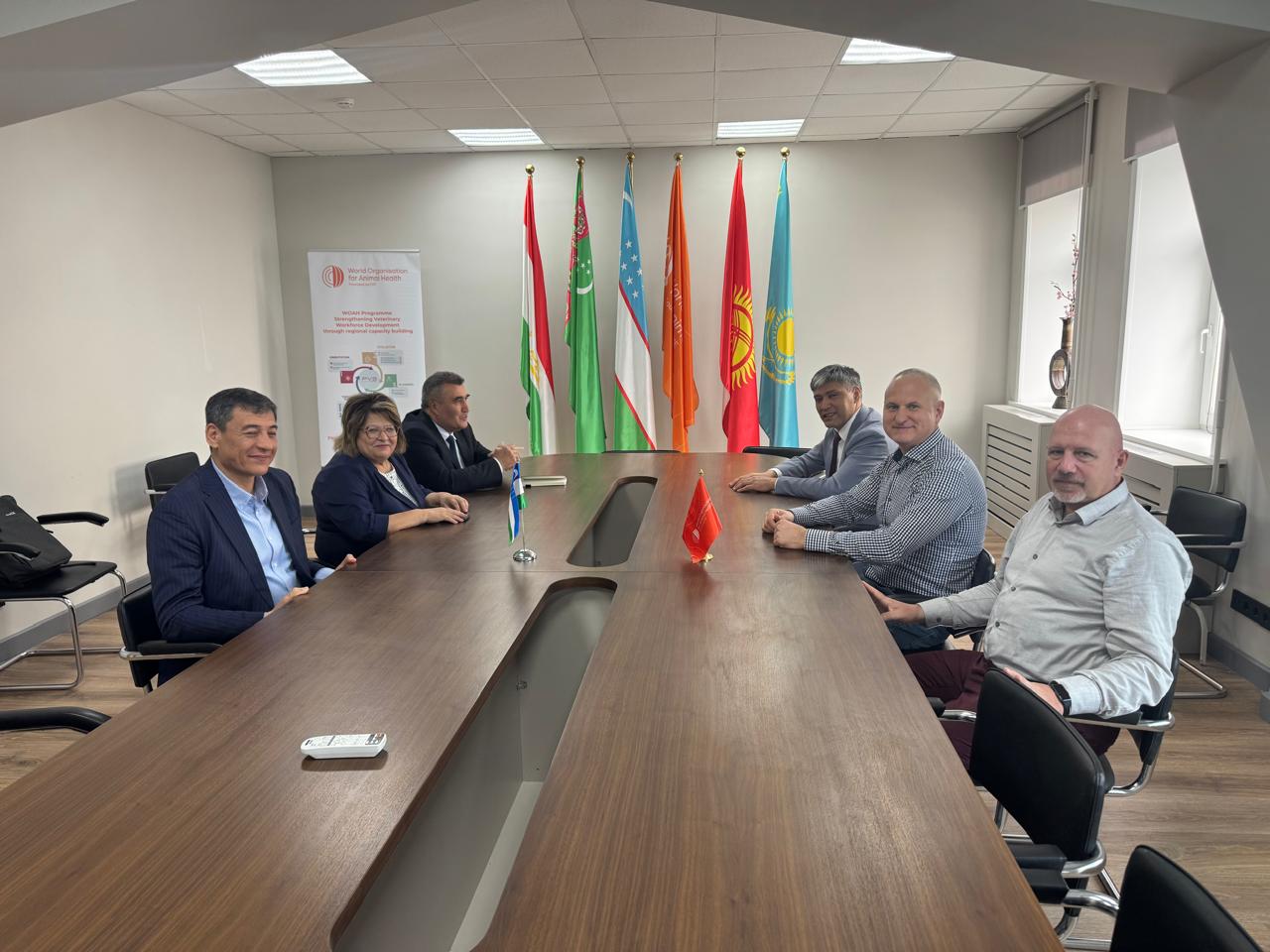
On the margins of the Summit, WOAH held bilateral meetings with representatives from Uzbekistan, Tajikistan and Kyrgyzstan, reinforcing collaboration on key regional initiatives.
Discussions focused on:
These exchanges highlighted strong country ownership and a shared commitment to building resilient veterinary systems and advancing One Health implementation across the region.
The Summit demonstrated a clear shift in Central Asia from reactive responses to preventive, integrated approaches to health and environmental risks.
Participants agreed that strengthening regional cooperation will require:
WOAH will continue to support countries in the region through its standards, tools, and capacity-building programmes, working closely with Quadripartite partners to translate the One Health vision into tangible results.
The outcomes of RES-2026 are expected to contribute to the implementation of a Regional One Health Action Plan, coordinated by the Regional Environmental Centre for Central Asia (CAREC), and aligned with global frameworks.
By strengthening veterinary systems, fostering trust, and promoting collaboration, Central Asia is taking important steps toward a more resilient and secure future — where the health of animals, people and ecosystems is protected together.