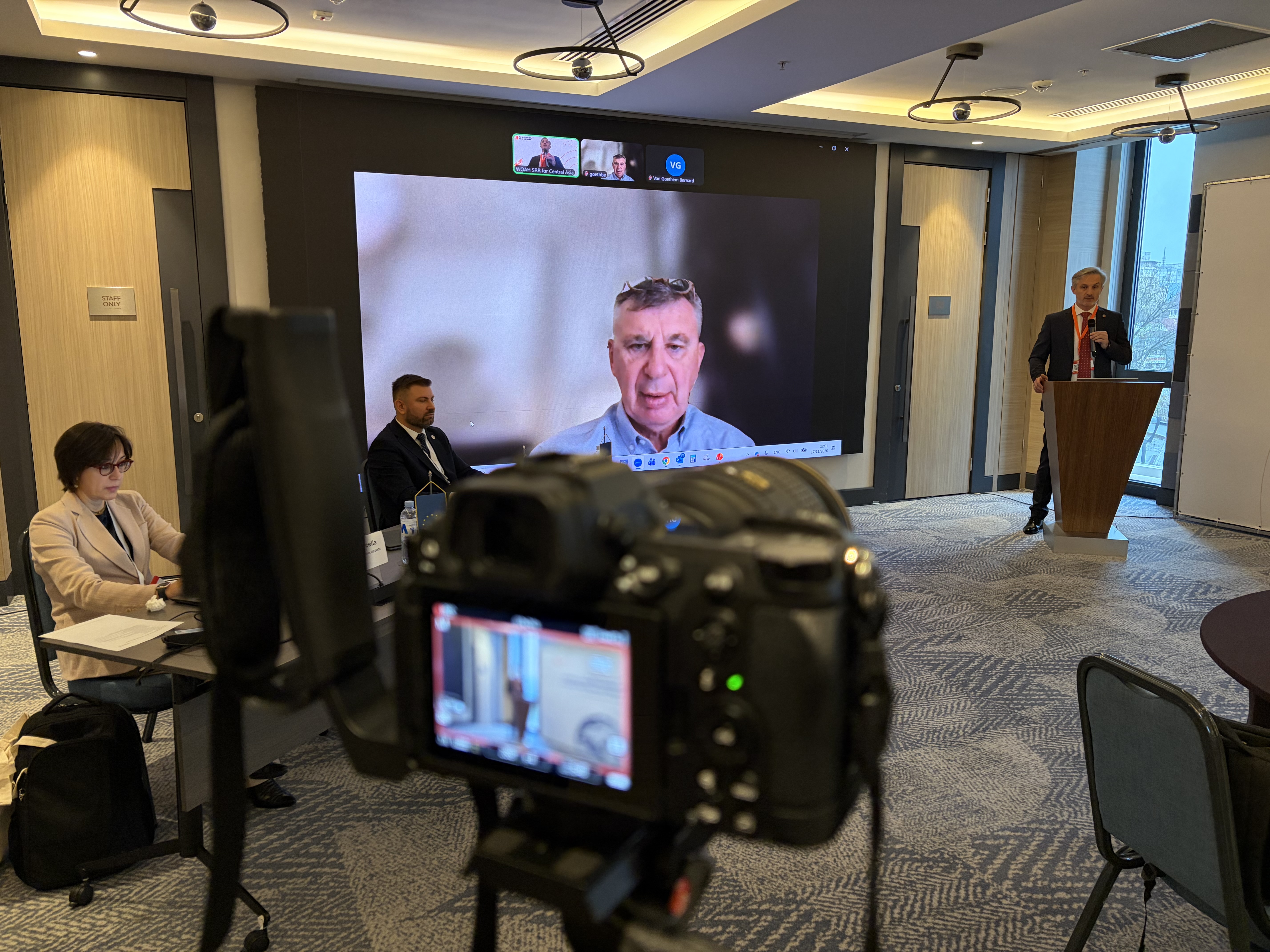
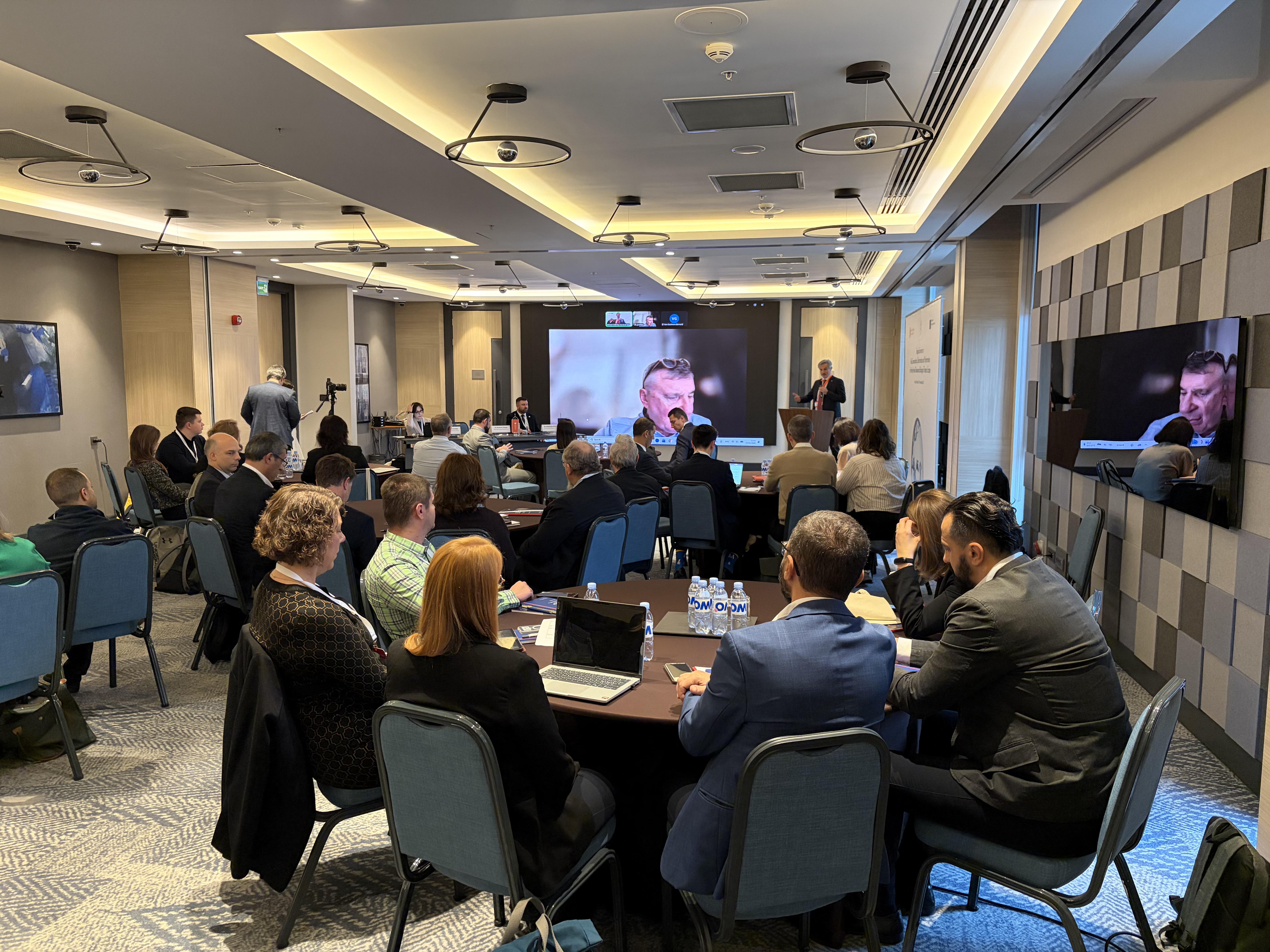
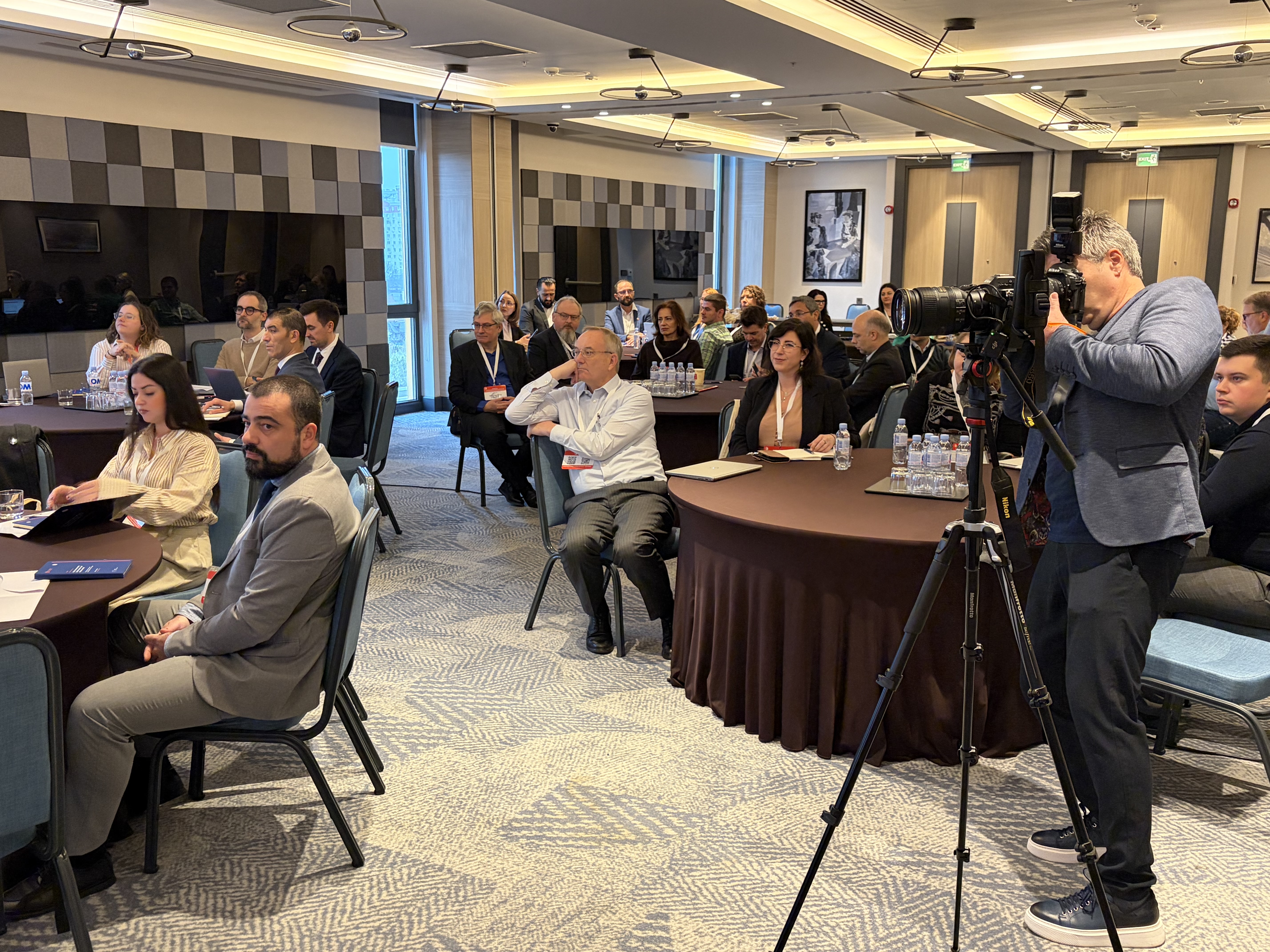
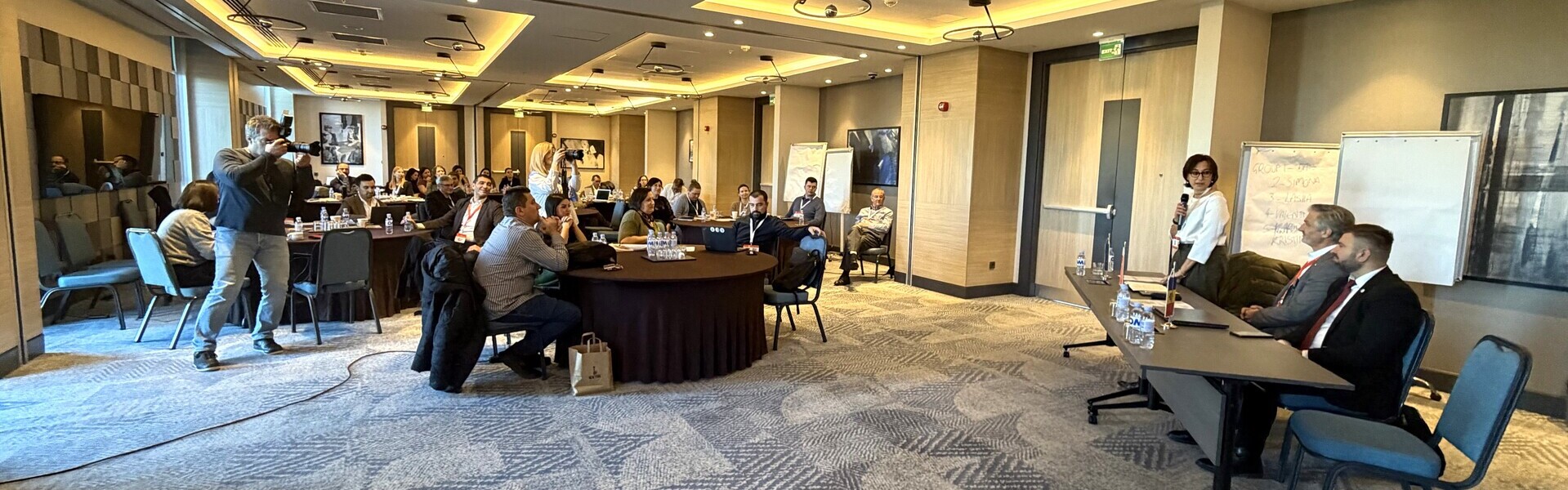
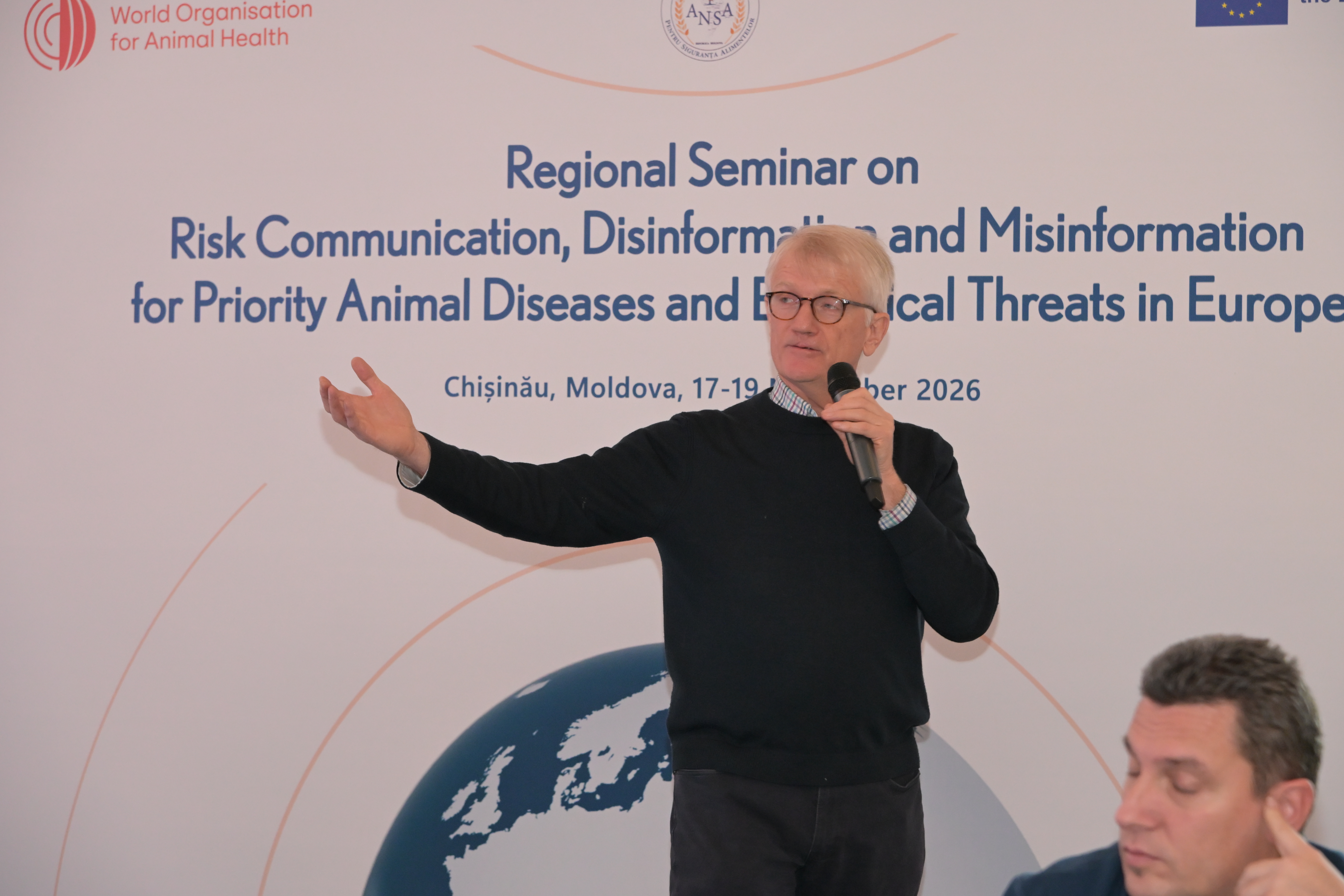
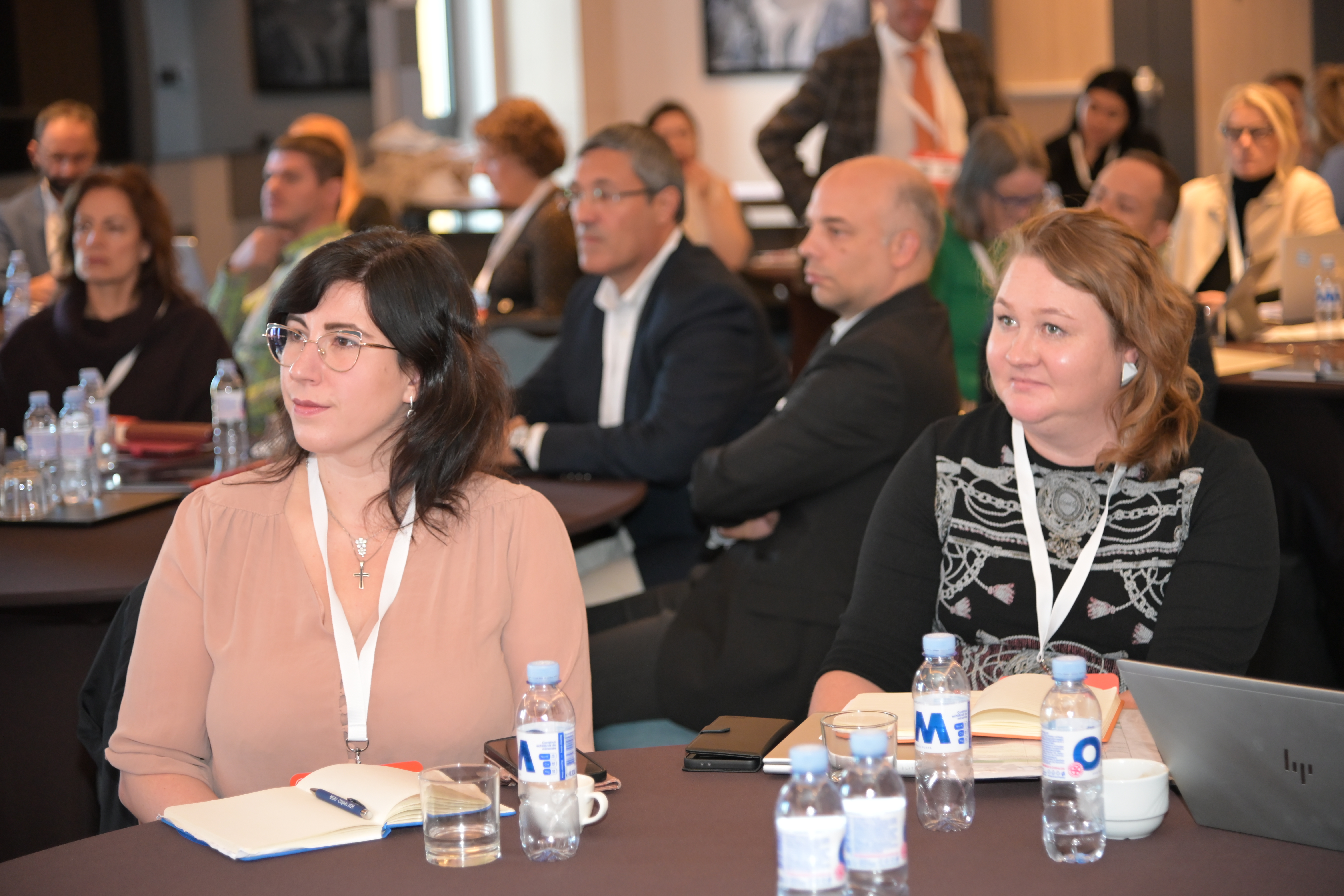
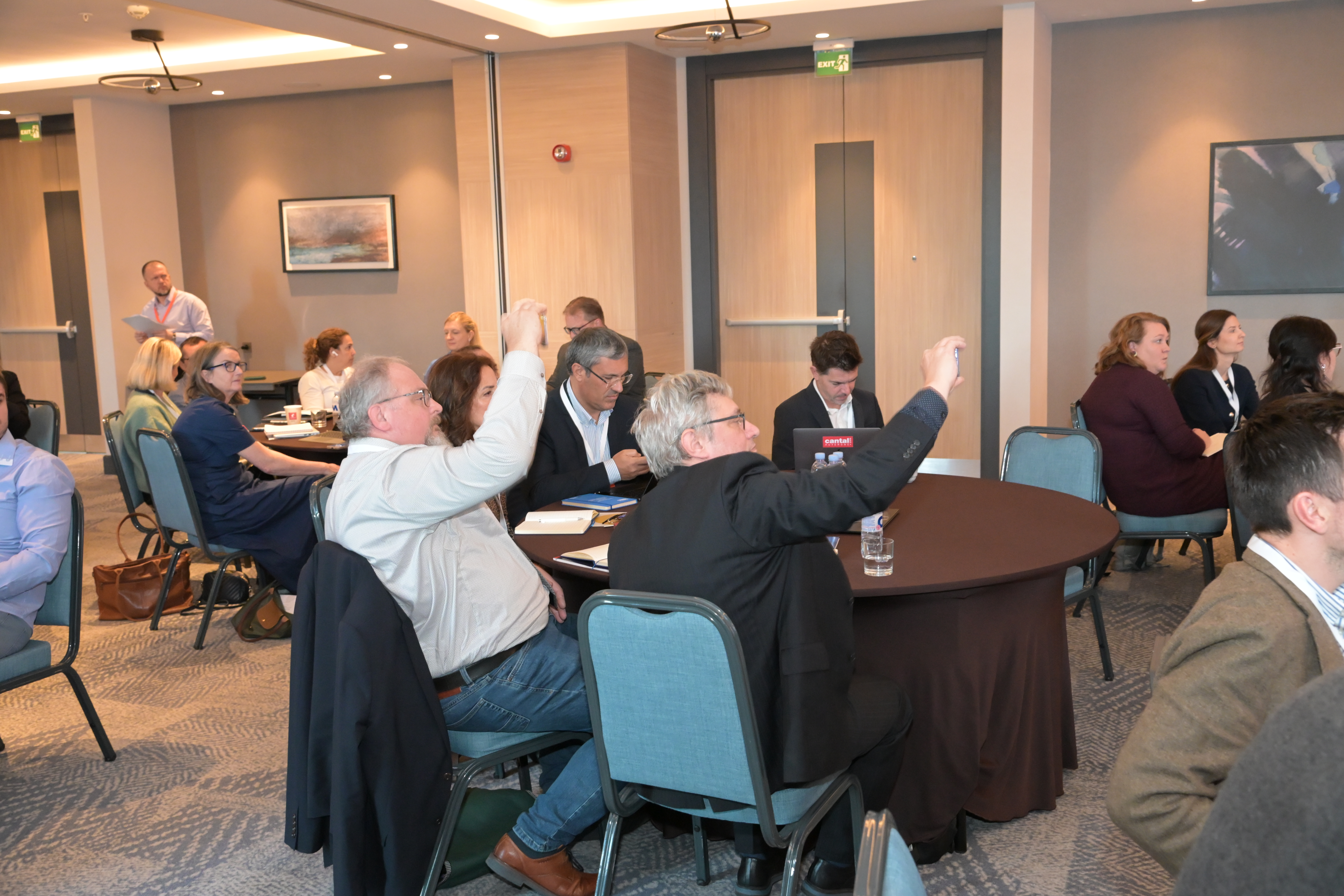
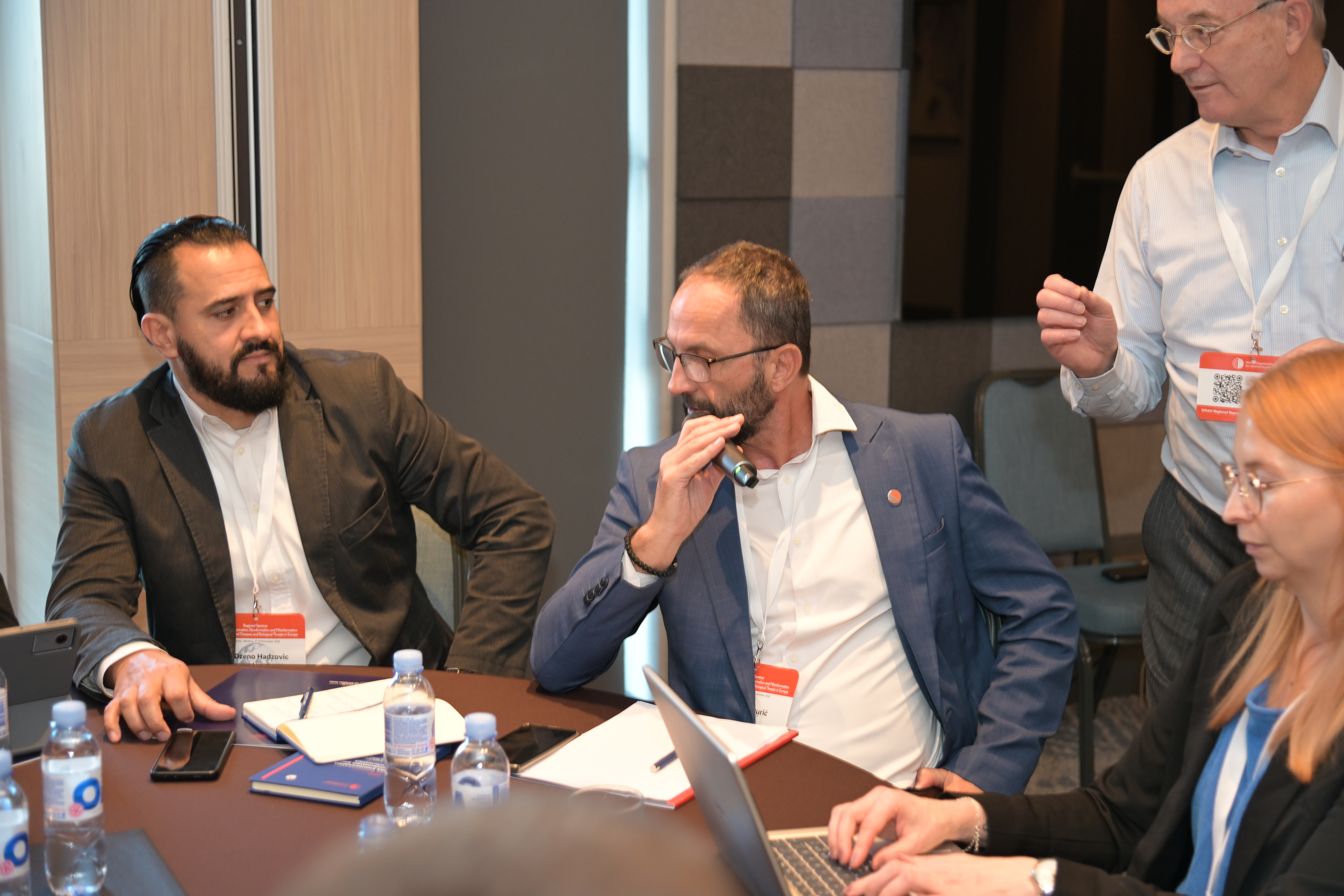
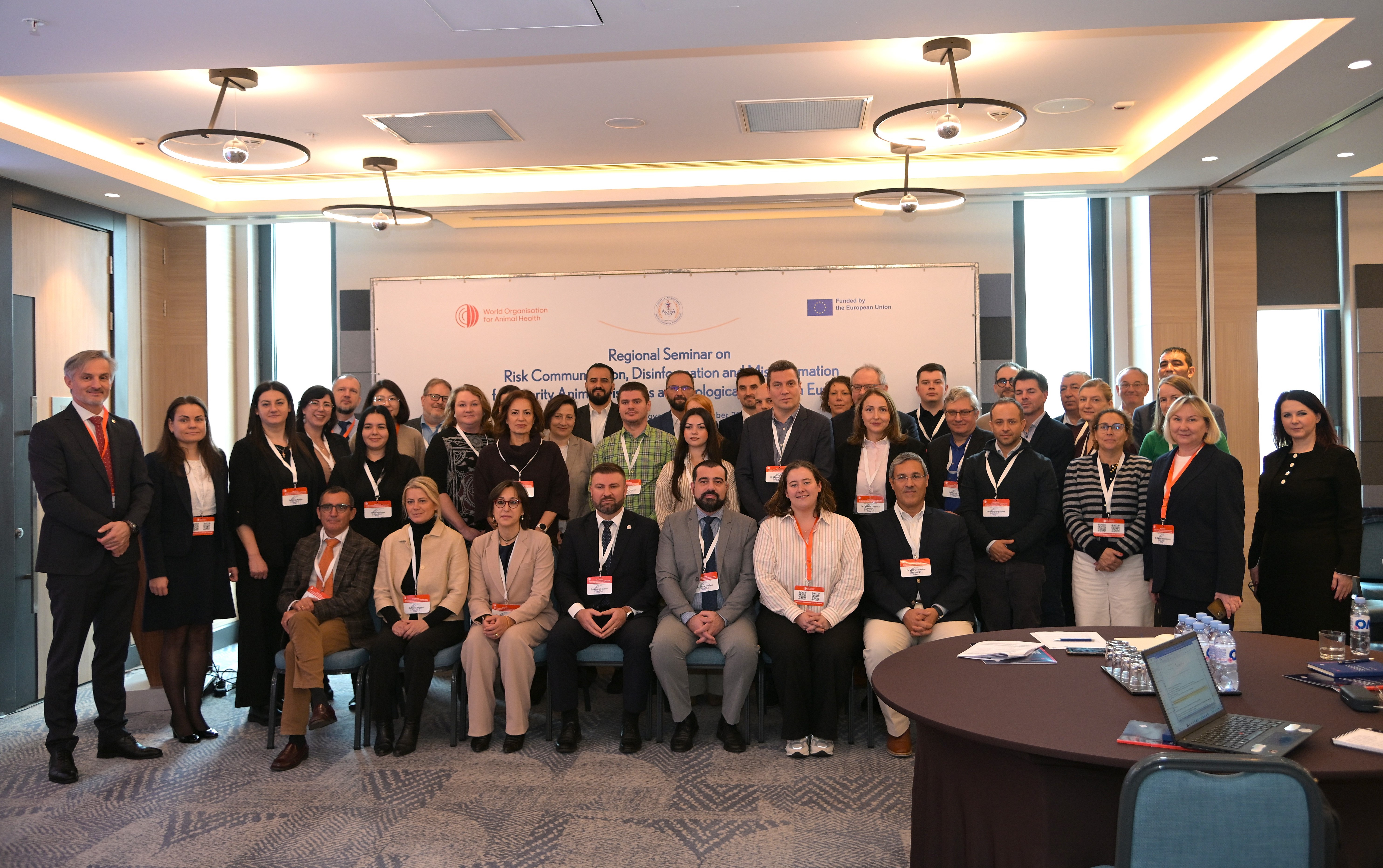
Organised by WOAH with the support of the European Union through the European Commission’s Directorate-General for Health and Food Safety (DG SANTE), and in cooperation with Moldova’s National Food Safety Agency (ANSA), the seminar focused on strengthening the capacity of Veterinary Services to communicate clearly, effectively and credibly before, during and after animal health emergencies.
Outbreaks of diseases such as African swine fever (ASF), highly pathogenic avian influenza (HPAI), lumpy skin disease (LSD) and peste des petits ruminants (PPR) can create uncertainty and concern among farmers, animal owners and the wider public. Rumours, misleading information and deliberately manipulated content can make these situations even more challenging, undermining public trust and complicating disease prevention and control efforts.
“From the European Commission’s perspective, we invest in these events because preparedness for biological threats, which are increasingly present in Europe, is very important to us,” said Dr Simona Forcella, Policy Officer at the EC (DG SANTE).
A key focus of the seminar was the practical application of risk communication as part of emergency preparedness and response. Building on the outcomes of the WOAH Workshop on Strengthening Preparedness and Response to Biological Threats in Europe, held in Paris in March 2026, participants explored how to prepare communication strategies, identify key audiences, develop clear messages and coordinate communication between technical experts, senior officials and spokespersons.
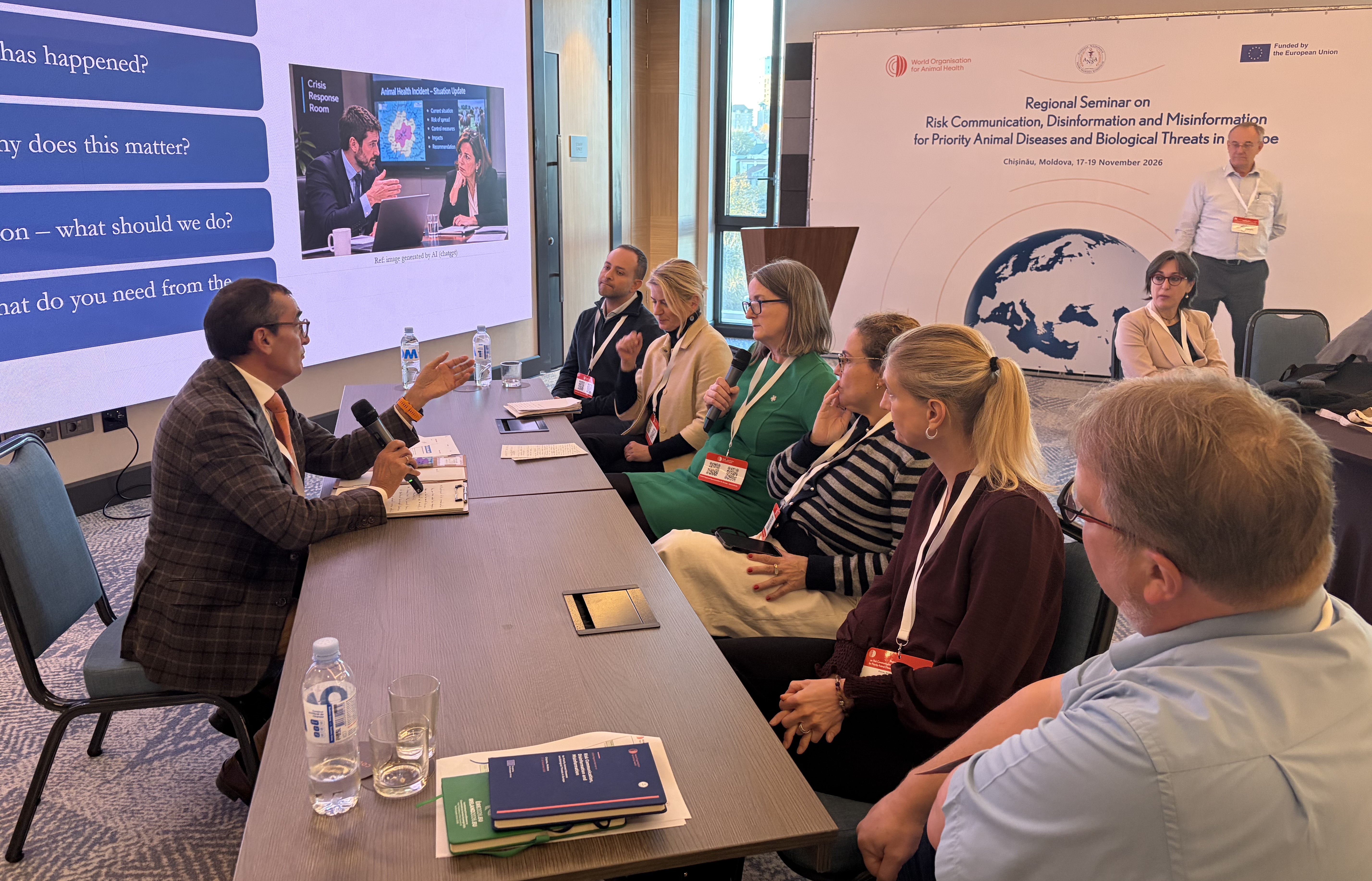
The programme combined expert presentations, interactive discussions, practical exercises and exchanges of national experiences. Participants also explored the growing challenges posed by artificial intelligence, including AI-generated disinformation and deepfakes. Through practical demonstrations using simulated outbreak scenarios, they learned how to verify suspicious content and assess appropriate responses.
Practical media training was another central element of the seminar. Led by an experienced media trainer, the sessions gave participants an opportunity to practice handling difficult interviews, responding to challenging and misleading questions, communicating under uncertainty and maintaining clear and consistent messages under pressure.
National experiences formed an important part of the discussions. Representatives from France, Spain, Moldova, Poland and Croatia shared examples of communication challenges and lessons learned during outbreaks of LSD, ASF and PPR. These exchanges highlighted the importance of timely information, effective coordination and communication approaches adapted to different audiences and national contexts.
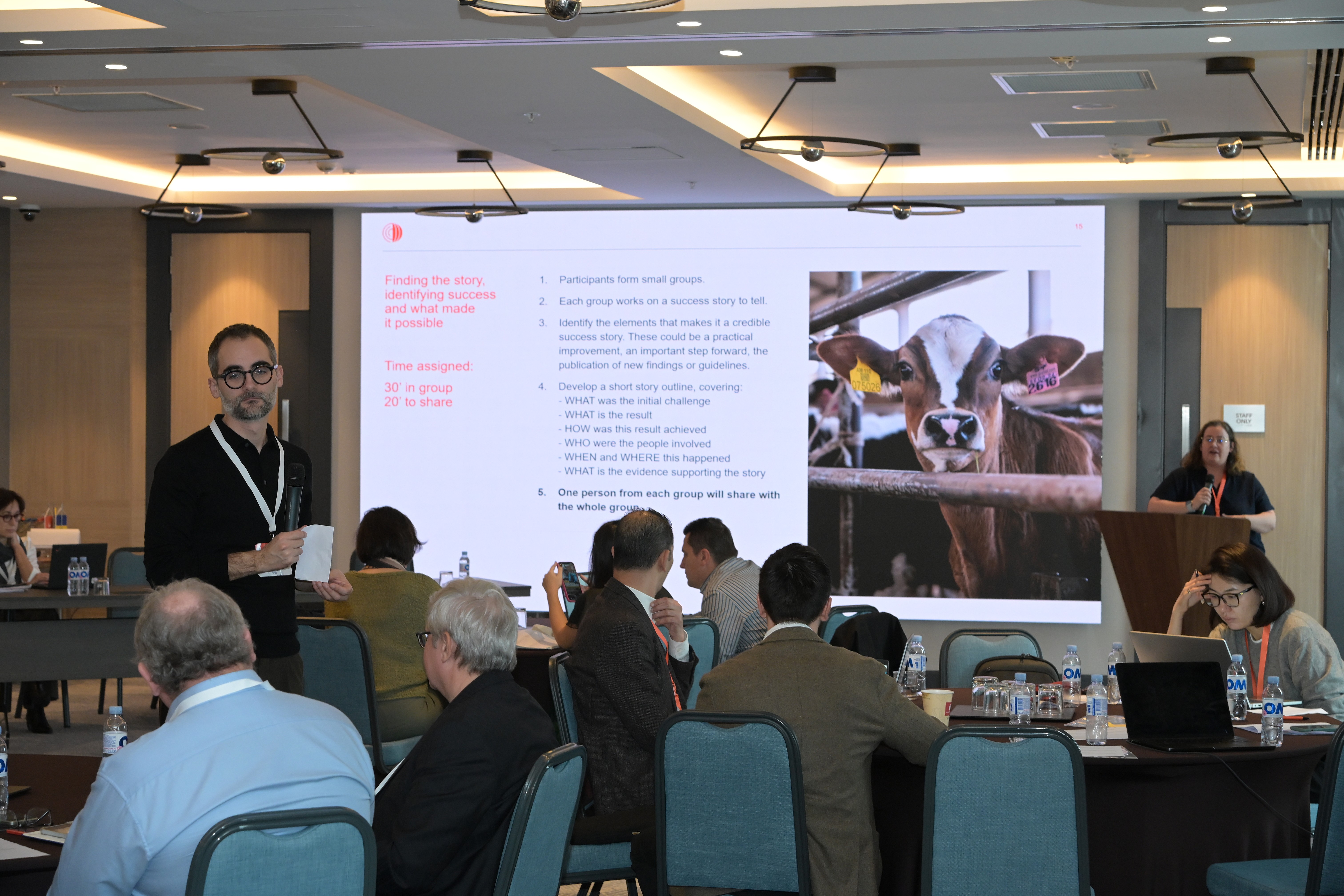
The final day focused on building public trust through credible and accessible communication. Working in groups, participants developed storylines and communication products based on practical scenarios, exploring how evidence, real-life experiences and clear messages can help Veterinary Services share reliable information and demonstrate progress in managing animal health challenges.
“Participants’ engagement throughout the seminar showed that the event was important and timely, and that they cared about the topic,” said Dr Budimir Plavšić, WOAH Regional Representative for Europe. “We discussed many important issues: communication, trust, collaboration and preparedness. It is clear that communication should be integrated into our work plans.”
The seminar also provided an opportunity to discuss the role of WOAH’s network of national Communication Focal Points and ways to strengthen cooperation between them and the Organisation. As a follow-up, WOAH Europe plans to organise further activities, including webinars for the network, to support the continued exchange of experience and practical knowledge among communication professionals across the region.