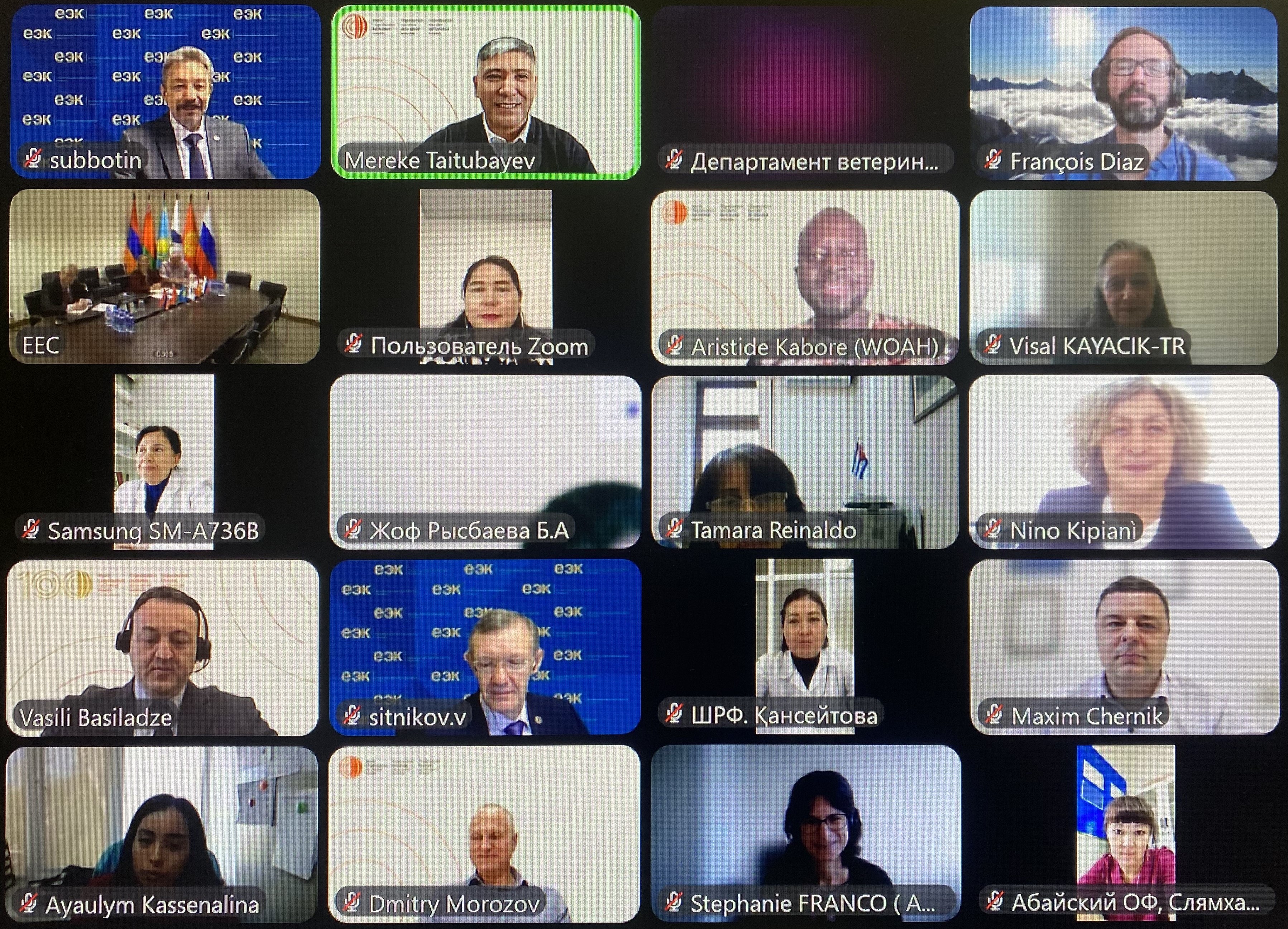
On 28 October 2026, the World Organisation for Animal Health (WOAH), together with the Eurasian Economic Commission (EEC), held an online seminar for the competent veterinary authorities of the Eurasian Economic Union (EAEU) Member States on “WOAH Standards and Recommendations on the Prevention and Control of Tropilaelaps Infestation and Varroosis of Bees: Diagnostic, Prevention and Treatment Issues.”
This seminar was the first event of its kind in the region dedicated to bee health. It aimed to share scientific knowledge and practical experience, support the implementation of WOAH standards, and strengthen regional cooperation on bee health.
As the international organisation dedicated to improving animal health and welfare worldwide, WOAH supports Veterinary Services through international standards, scientific expertise and transparent disease information.
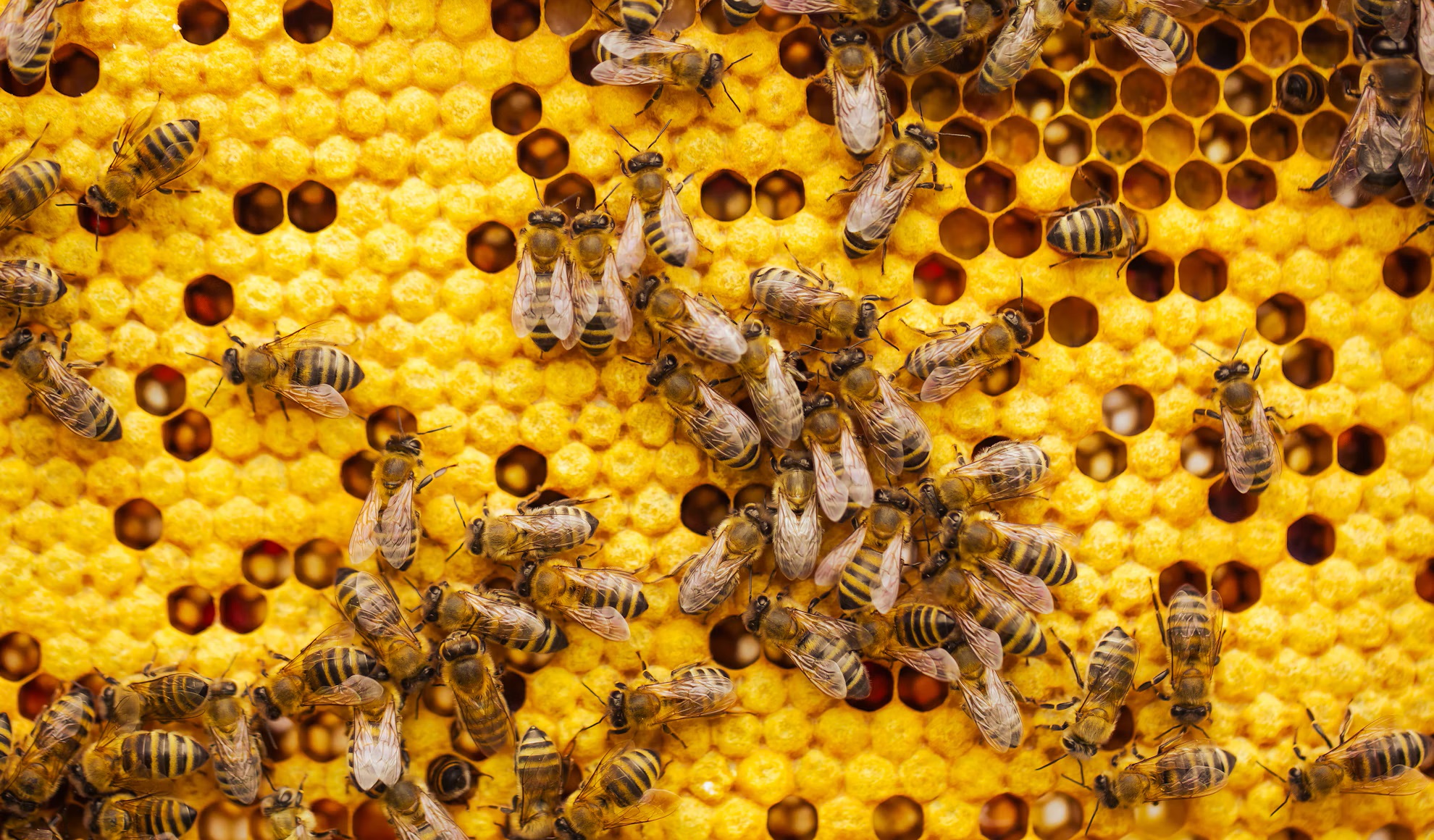
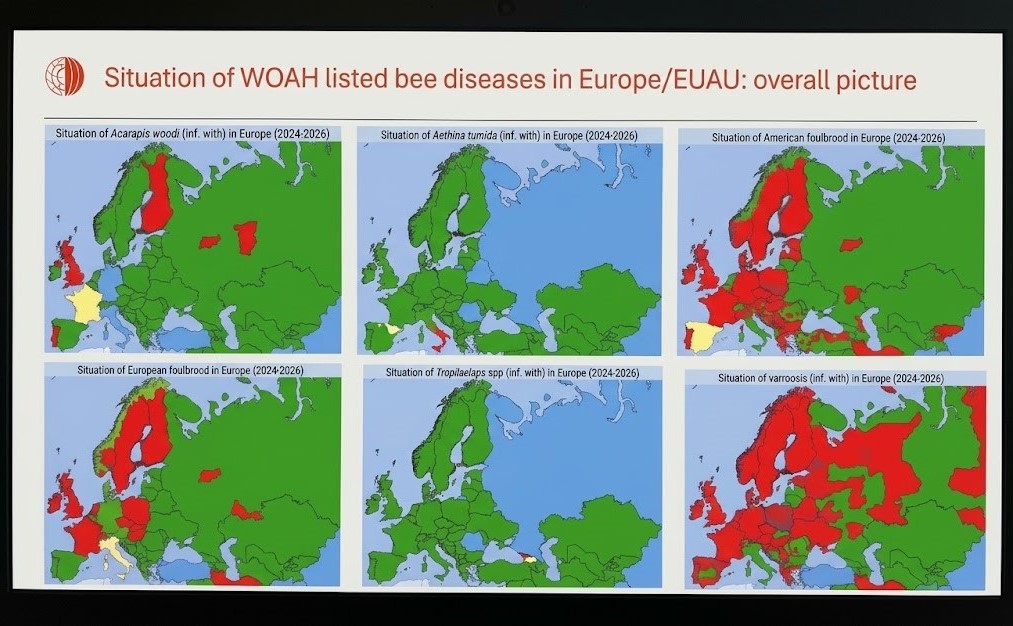
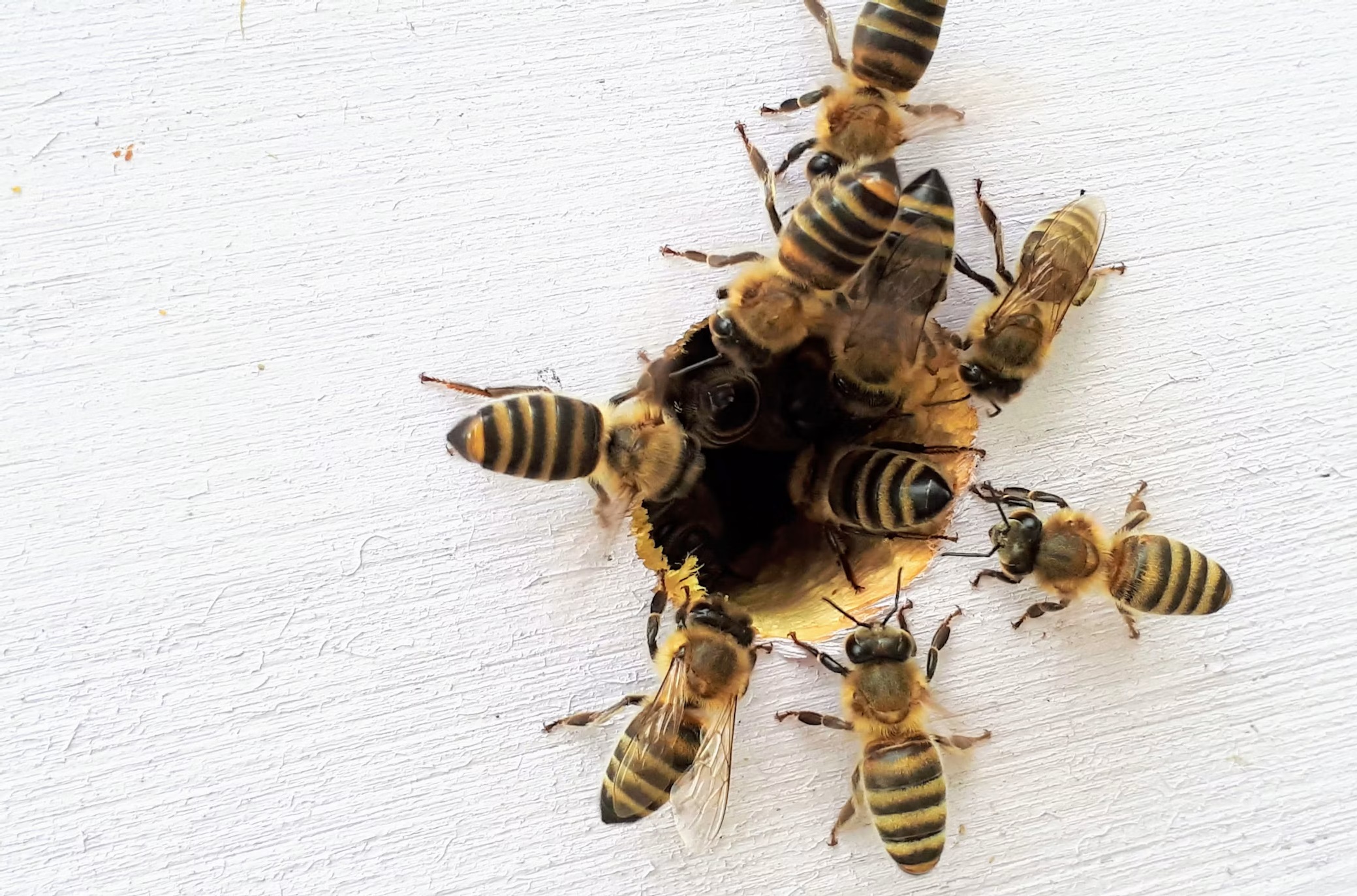
The seminar focused on two major parasitic threats to honey bees: infestation with Tropilaelaps spp. and Varroa spp. (varroosis, also known as varroatosis). These mites can seriously damage bee colonies, making early detection, accurate identification and effective control essential. Protecting bee health also supports pollination, agricultural production, biodiversity and the livelihoods of beekeepers.
Bringing together specialists from WOAH Headquarters, WOAH Reference Laboratories and Collaborating Centres, APIMONDIA and national veterinary authorities, the programme linked international standards with practical field experience.
Practical sessions explored official disease control measures, good beekeeping practices and integrated Varroa management, including prevention and treatment options.
WOAH experts also discussed the reporting of listed bee diseases through the World Animal Health Information System (WAHIS), disease confirmation and notification procedures, and self-declarations of freedom from bee diseases. These sessions highlighted the importance of reliable surveillance and timely information sharing to support informed veterinary action.
Country contributions were central to the exchange. Experiences from Georgia and Türkiye on Tropilaelaps, alongside a presentation on the varroosis situation in the Russian Federation, complemented reports from Armenia, Belarus, Kazakhstan, Kyrgyzstan and the Russian Federation. A dedicated discussion gave participants an opportunity to compare challenges and share practical approaches.
Through this joint initiative, WOAH and the EEC aim to strengthen the capacity of veterinary authorities to translate scientific knowledge into effective bee health measures and promote coordinated prevention and control efforts across the region.