The World Organisation for Animal Health participated in the First International Scientific and Practical Conference on Epizootiological Security, organised by the Russian Ministry of Agriculture. Taking place on 27–28 November at the Timiryazev Exhibition Centre in Moscow, the event brought together experts from international organisations such as WOAH, FAO and EEC, as well as Delegates and representatives from the Veterinary Services of 15 countries, from both the European and Asian regions.
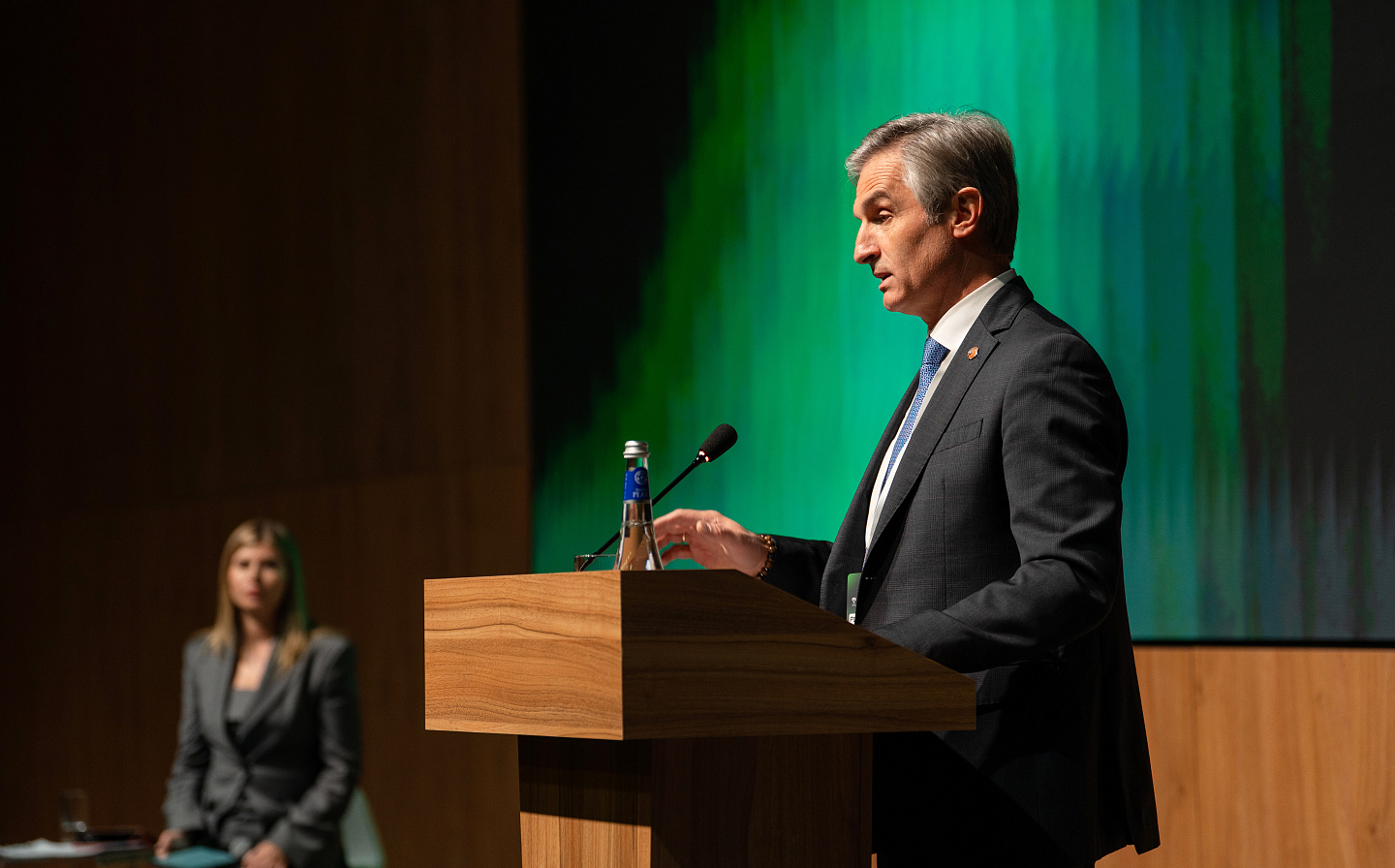
WOAH Regional Representative for Europe, Dr. Budimir Plavšić, addressed the participants:
“Our region continues to face a complex landscape of transboundary animal diseases. During the recent Regional Conference in Belgrade, we identified seven priority diseases that remain central to regional animal health security of Europe: African swine fever, Foot-and-mouth disease (FMD), Highly Pathogenicity Avian Influenza (HPAI), rabies, Lumpy skin disease, Peste des petits ruminants (PPR), Sheep and goat pox. Managing these threats effectively is essential for protecting livelihoods, trade and public health.
Many of these challenges present also opportunities to demonstrate best practice within our region. I am glad to see the ministers from the Russian Federation, Kazakhstan and Azerbaijan here, because they offer several concrete examples of achieving official animal disease-free status for FMD, rinderpest and PPR. Similarly, we have learned from them how to implement zoning and compartmentalisation, self-declaration for animal diseases and controlled risk for BSE. These and other practices in Europe and around the world demonstrate how WOAH international standards can be effectively applied to strengthen animal health systems and open access to high-value export markets.”
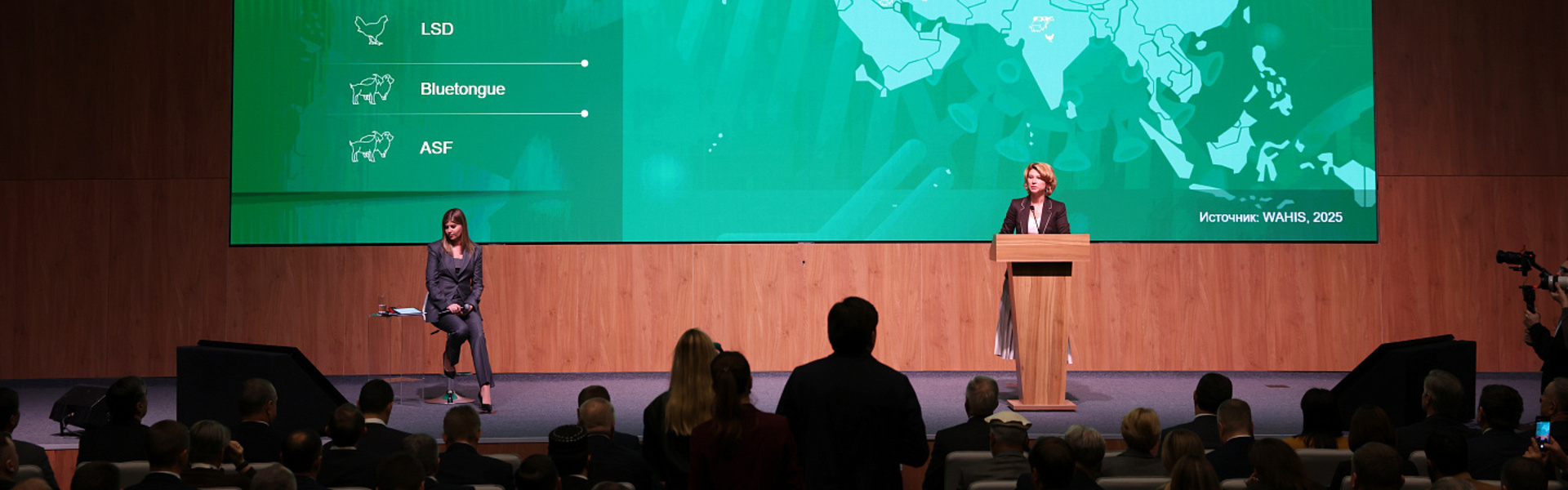
Participants focused on key challenges in the veterinary sector: ensuring epizootic well-being, implementing innovative technologies, developing markets for pharmaceuticals and vaccines, and measures to counter cross-border threats. A central event was the plenary session on November 28, opened by Russian Minister of Agriculture Oksana Lut. She highlighted priorities for achieving epizootic well-being, including monitoring transboundary risks, developing countermeasures against threats, and strengthening the scientific foundation.
"Veterinary well-being forms the cornerstone of food security and directly impacts human health and welfare," Minister Lut noted. "Therefore, our shared task is to unite efforts to overcome current challenges and ensure the sustainable development of the sector for the benefit of our citizens."
Addressing the forum participants, Aidarbek Saparov, Minister of Agriculture of Kazakhstan, said:
“Today, WOAH identifies over 90 highly dangerous diseases that pose significant transboundary risks. New global factors also demand heightened attention. For instance, climate change significantly impacts the geography of infection spread. Only a comprehensive interstate approach to biological safety will allow us to protect the health of animals and humans.”
Goar Barseghyan, Minister of Industry and Agro-Industrial Complex of the Eurasian Economic Commission:
“Food security is one of the key factors in the economic stability of the Eurasian Economic Union countries. Amid growing volatility in global food markets, its provision takes on strategic importance as the foundation for social stability and long-term development. A key element of food security is epizootic well-being, which directly contributes to food sustainability and the protection of interests for both producers and consumers across the entire Eurasian space.”
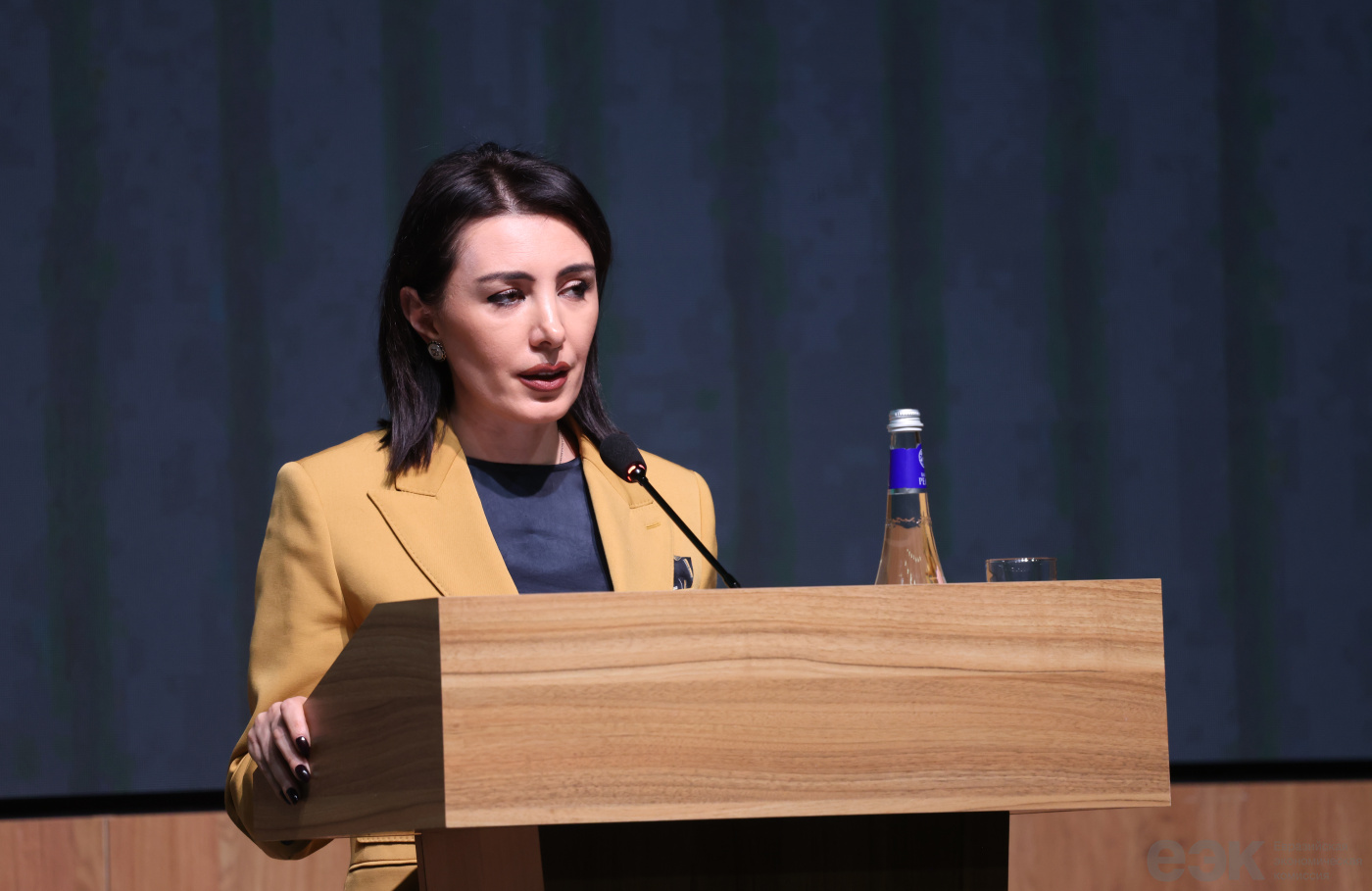
Elchin Zeynalov, Deputy Minister of Agriculture of Azerbaijan:
“Maintaining epizootic well-being is a strategic task for any country. The state of animal health determines the sustainable development of the agricultural sector, food security, export potential, and – most importantly – the welfare and safety of the population. The main tool for achieving such well-being is close cooperation between government agencies, research centers, international organizations, farmers’ associations, and the private sector. Only through joint efforts can we minimize the economic and social consequences of potential outbreaks.”
On the sidelines of the conference, Dr Budimir Plavšić and Minister Oksana Lut held a bilateral meeting. They recognised the good collaboration between WOAH and the Ministry of Agriculture over the last 11 years, the active participation of the Russian Veterinary Services in all WOAH regional initiatives, the expertise of the two WOAH Reference Centres and Reference Laboratories (ARRIAH in Vladimir and VGNKI in Moscow), and the support in training veterinary professionals in the region. The importance of regional and sub-regional cooperation between WOAH and its members was also emphasized.
Additionally, Dr Plavšić held informal talks with the ministers and deputy ministers of agriculture from Kazakhstan, Belarus, Azerbaijan and the Eurasian Commission, and Delegates from other countries.
Many participants at the Conference endorsed WOAH’s strategic directions, which aim to strengthen international partnerships in the animal health sector and improve global food safety. WOAH continues to support such initiatives in order to achieve sustainable progress in the field of veterinary science.