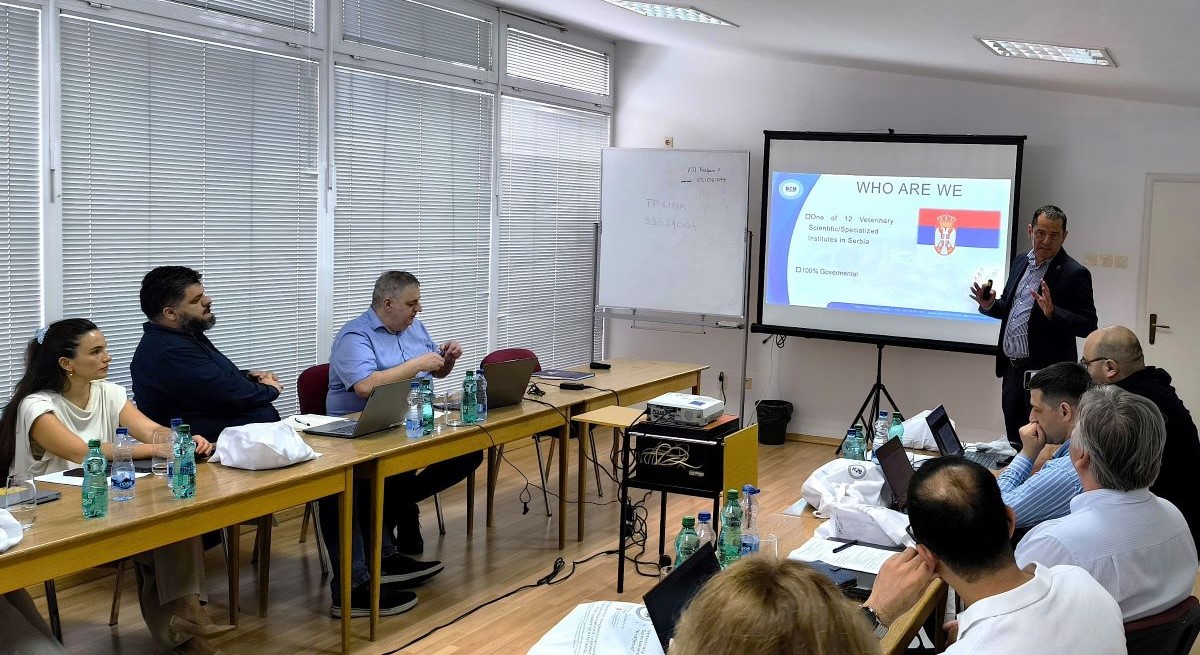
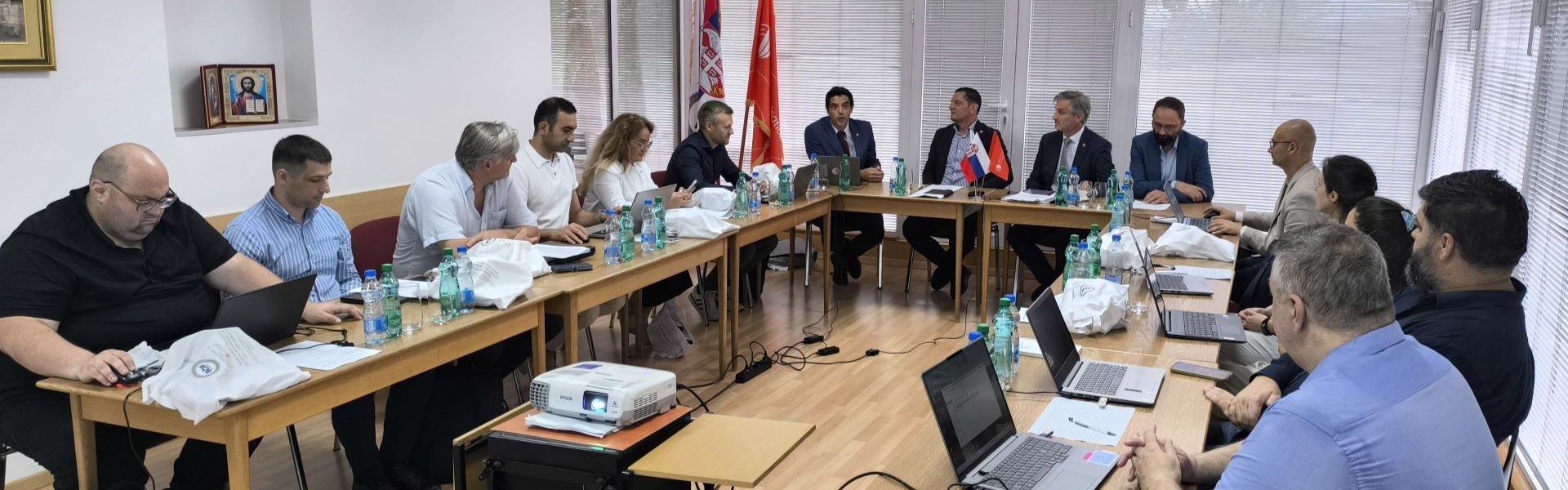
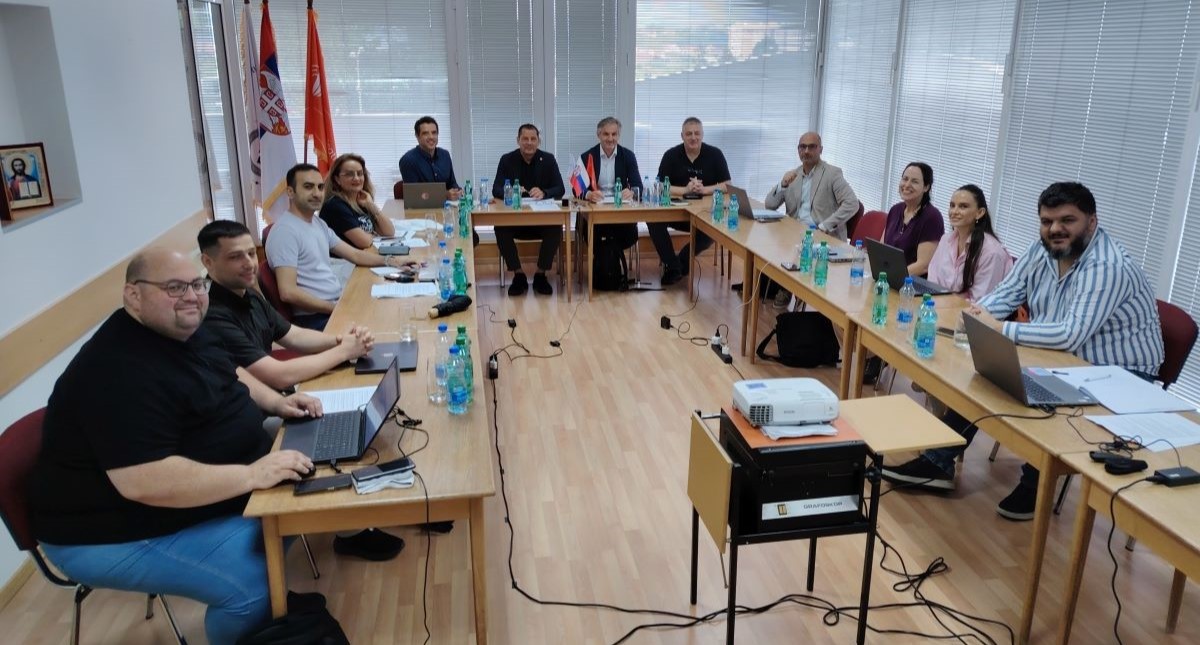
Kraljevo, Serbia, 1-3 July 2026 – The Veterinary Specialized Institute “Kraljevo”, in collaboration with Ministry of Agriculture of Serbia and World Organisation for Animal Health, hosted a regional workshop dedicated to the operationalisation of its newly designated mandate as a WOAH Reference Laboratory for Lumpy Skin Disease (LSD).
The workshop, entitled “Operationalising the WOAH Reference Laboratory for Lumpy Skin Disease: Regional Cooperation, Preparedness and Laboratory Networking”, brought together representatives of Veterinary Services and national laboratories from South-Eastern Europe and Central Asia, together with WOAH experts and the WOAH Reference Laboratory for Capripoxviruses at Sciensano, Belgium.
The designation of VSI Kraljevo as a WOAH Reference Laboratory for LSD, adopted by the World Assembly of WOAH Delegates in May 2026, represents an important recognition of Serbia’s veterinary, scientific and laboratory capacities. The Kraljevo workshop was organised as the first strategic step to translate this designation into practical support for WOAH Members.
The three-day workshop combined strategic discussions, country presentations and technical exchanges. Participants reviewed the regional epidemiological situation for LSD and other capripoxvirus infections, discussed laboratory capacities and needs, and identified practical barriers to rapid confirmation and response. The meeting was held in a context of continued concern regarding LSD risks, including the emergence of recombinant strains and the importance of maintaining preparedness despite the absence of recent outbreaks in several participating countries.
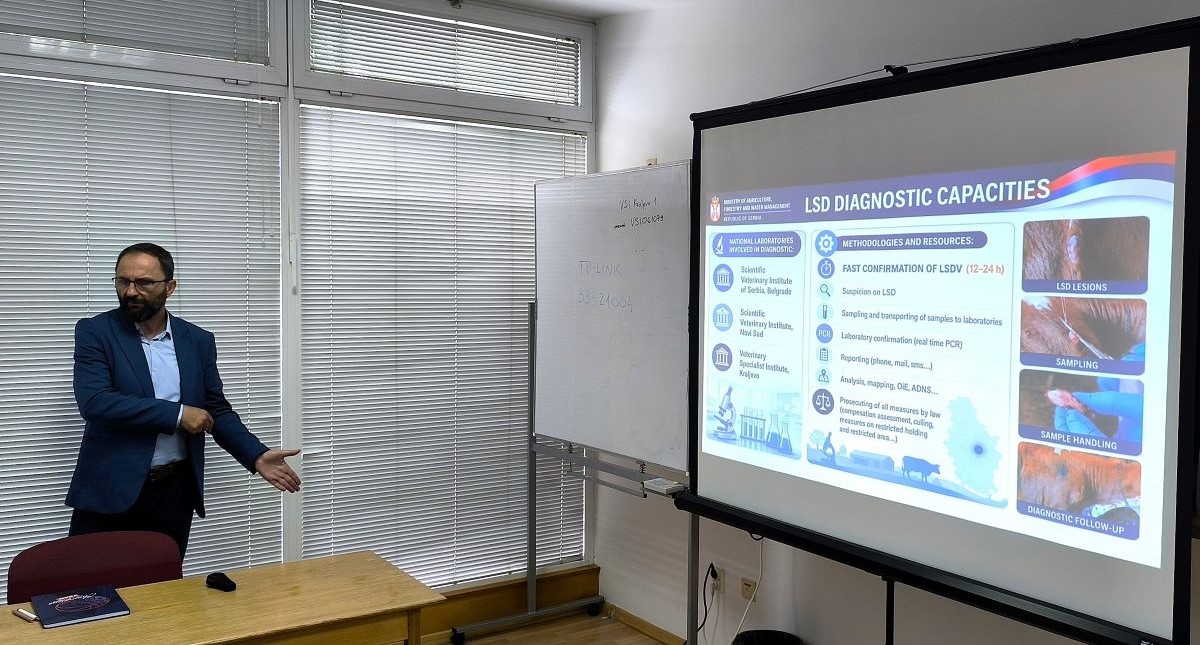
Experience of Serbia and other Balkan countries with the LSD epizootic in 2016 provided a valuable operational example of coordinated disease control. The presentation by the WOAH Delegate of Serbia highlighted field response, vaccination, surveillance, eradication measures and the importance of laboratory support. This experience helped frame the discussions around preparedness, early detection and rapid response before a possible future incursion.
Country presentations allowed participants to compare current epidemiological situations, surveillance arrangements and laboratory capacities across the region. While LSD virus is not currently circulating in most participating countries, several structural gaps were identified, including access to reagents, accreditation constraints, sequencing capacity, trained personnel, sample shipment and confirmatory testing.
The workshop confirmed the strategic role of WOAH Reference Laboratories as a cornerstone of WOAH’s scientific system and as a practical resource for Members.
The participation of Sciensano, Belgium, as the established WOAH and EU Reference Laboratory for Capripoxviruses, was particularly important in defining a cooperative model with VSI Kraljevo. The two reference laboratories are expected to provide complementary support to Members through technical advice, proficiency testing, access to reference materials, training, harmonisation of diagnostic approaches and support to confirmatory testing.
The contribution of the Italian laboratory was also highly relevant, given recent LSD events in 2025. It provided practical insights into national laboratory preparedness, diagnostic response, coordination with Veterinary Services and lessons learned from recent field and laboratory experience.
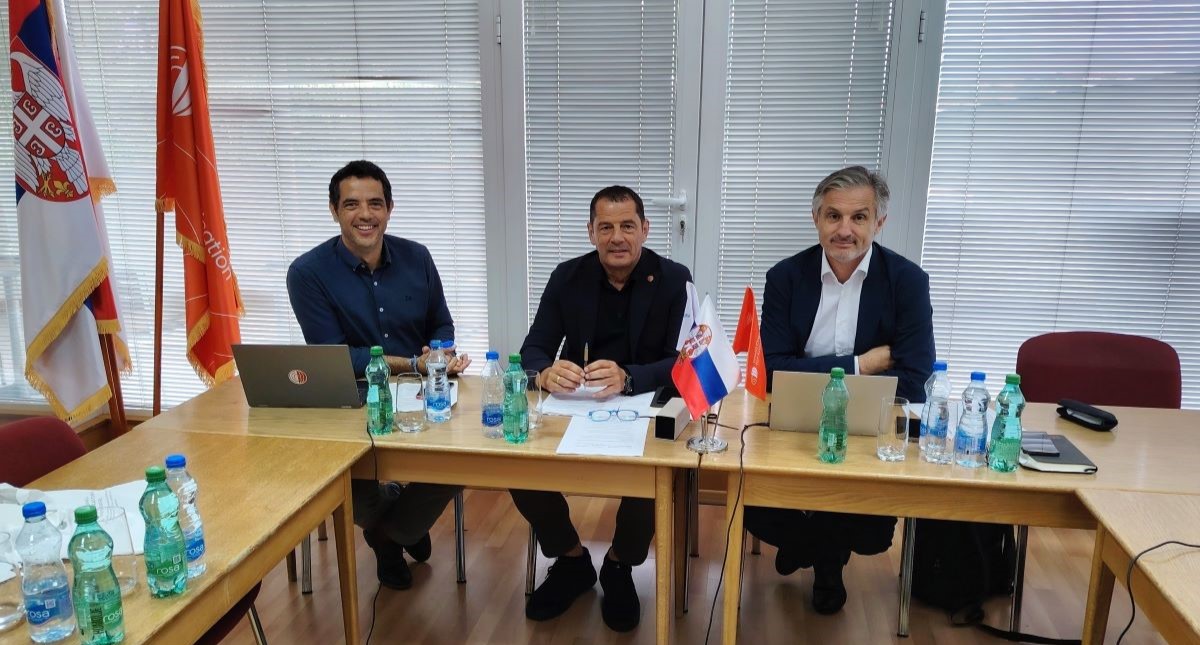
WOAH was represented by Dr Gregorio Torres, Head of the Science and Disease Management Department, and Dr Budimir Plavšić, WOAH Regional Representative for Europe. Their participation underlined WOAH’s role in convening Members, facilitating scientific cooperation and supporting the translation of Reference Laboratory designation into concrete services for Members.
A key outcome of the workshop was the agreement on a Roadmap for Regional Cooperation on LSD for 2026-2028. The roadmap aims to maintain and strengthen regional preparedness for LSD through cooperation between Veterinary Services, national laboratories and WOAH Reference Laboratories.
The roadmap identifies three main expected outcomes:
Participants agreed that cooperation should focus on practical and achievable steps, including establishing a contact list of national reference laboratory focal points, conducting a survey of laboratory capacities and needs, organising technical exchanges, expanding proficiency testing, improving access to reference materials, and preparing hands-on training for laboratory specialists.
In the short term, VSI Kraljevo, in cooperation with Sciensano and WOAH, will work to establish a regional network of national reference laboratory contact points and initiate mapping of diagnostic capacities, equipment, reagents, sequencing capacity and training needs.
Technical exchanges are expected to address WOAH-recommended diagnostic methods, DIVA approaches, recombinant strains and sequencing. Practical work is also foreseen on sample shipment procedures, including permits, transport requirements and regulatory considerations.
In the medium term, the roadmap foresees hands-on laboratory training at VSI Kraljevo in 2027, inclusion of target countries in proficiency testing activities, and support to laboratories in addressing identified gaps. A regional laboratory simulation exercise may also be considered to test communication, reporting and sample shipment procedures during an emergency.
In the longer term, participants supported continued technical exchanges, a regional review meeting, expanded sequencing and molecular epidemiology capacity, and practical arrangements for access to expertise, confirmatory testing and laboratory support during outbreaks.
The Kraljevo workshop demonstrated how a newly designated WOAH Reference Laboratory can move rapidly from formal designation to regional engagement and practical support to Members. It also showed the value of bringing together Veterinary Services, national laboratories, WOAH Reference Laboratories and regional coordination mechanisms around a shared preparedness agenda.
The strong support of the Government of Serbia and the leadership of VSI Kraljevo were instrumental in creating a constructive and action-oriented environment. The workshop also confirmed the demand from Members for continued WOAH support in laboratory networking, training, access to expertise and implementation of international standards.
By connecting regional needs with reference laboratory expertise, the Kraljevo workshop provides a practical example of how laboratory cooperation can strengthen preparedness for LSD and other transboundary animal diseases.