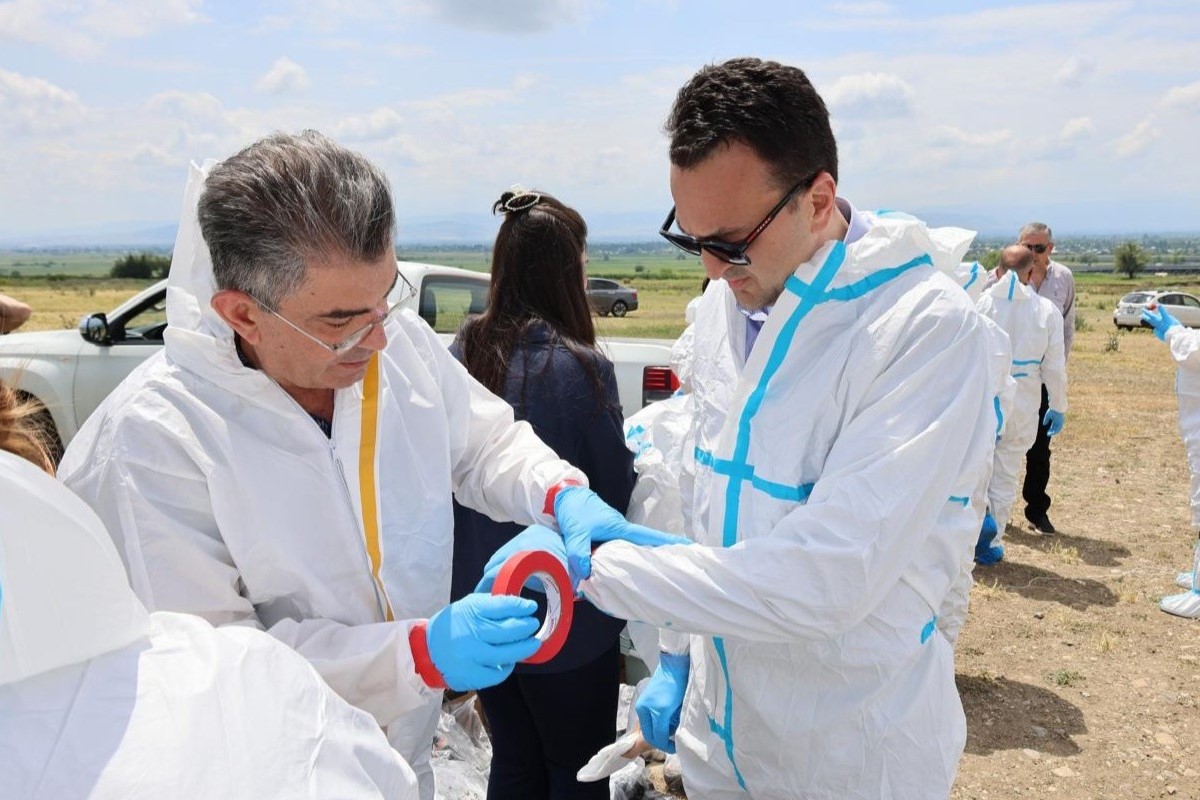
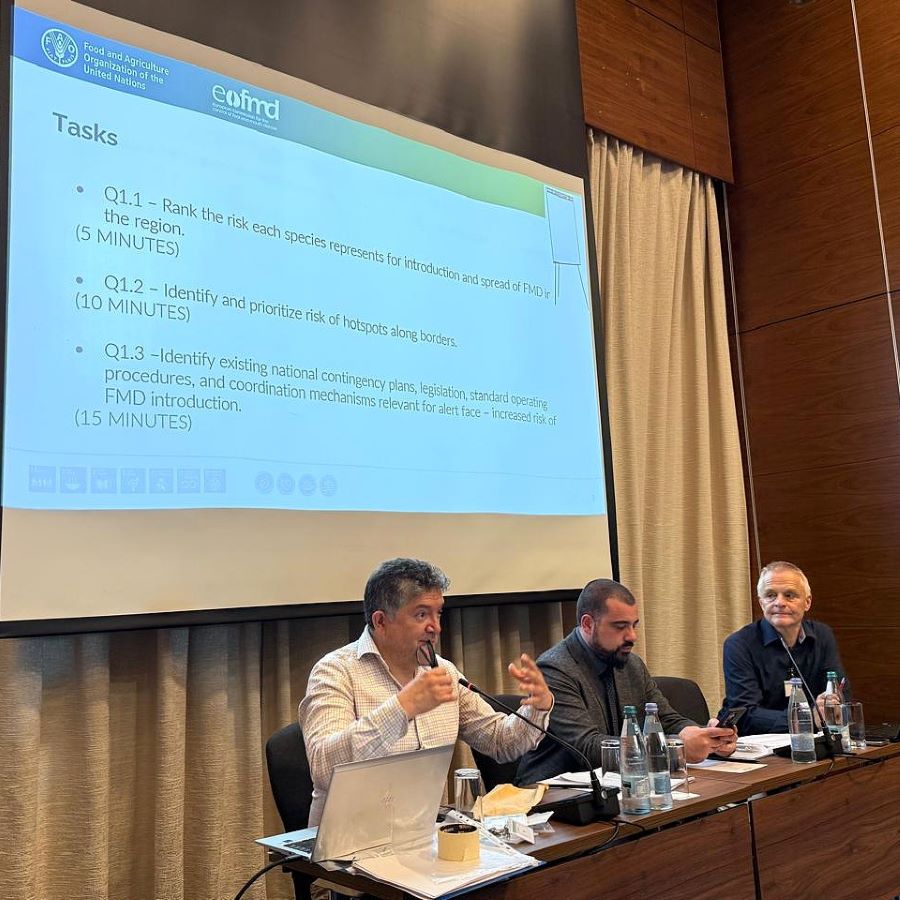
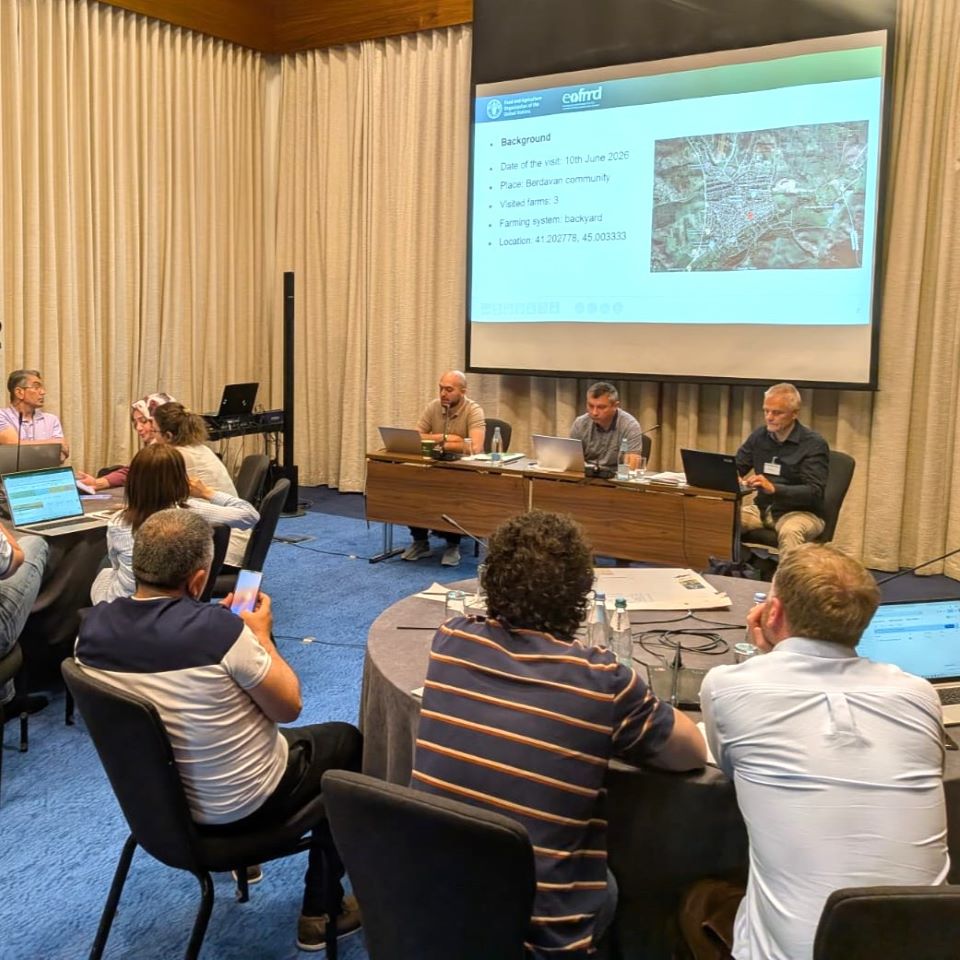
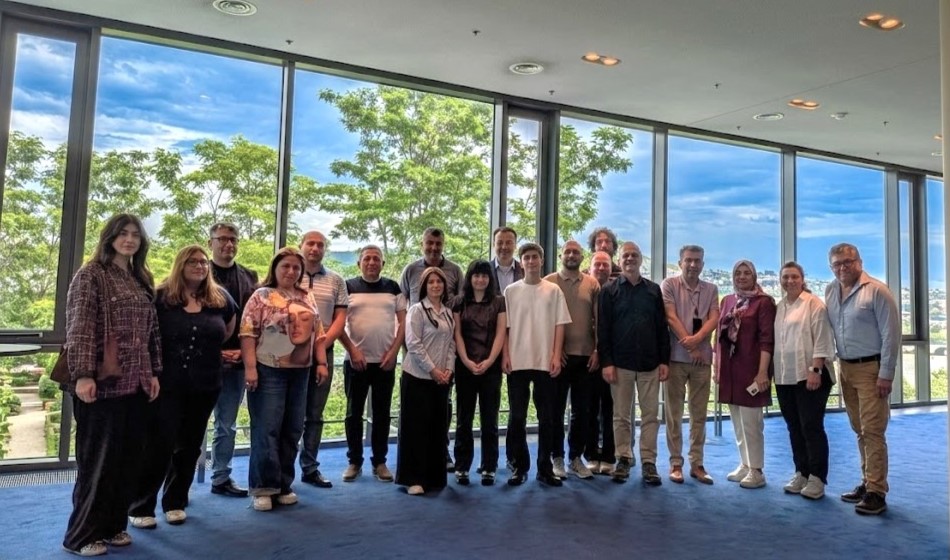
Key experts from WOAH and national authorities joined the exercise, including Dr. Vasili Basiladze, WOAH Senior Advisor for RR Europe, and high-level officials such as Dr. Lasha Avaliani, CVO and Deputy Minister of Environment Protection and Agriculture of Georgia. Alongside representatives from Armenia, Turkey, the Russian Federation, and the EU-FMD, the workshop also featured contributions from NFA representatives and veterinary students, ensuring a multidisciplinary approach to disease preparedness.
The exercise assessed existing response mechanisms and confirmed that countries in the region have established procedures for FMD detection, investigation, and control. Participants reviewed SOPs and tested communication pathways, emergency vaccination strategies, and movement restrictions – key elements in containing an outbreak. The simulations also highlighted the importance of transparency and rapid information sharing between neighboring countries and WOAH to prevent disease spread.
One of the key achievements was the identification of cross-border risks, particularly in areas where small ruminants and wildlife move between countries. Participants discussed how epidemiological data and risk assessments should guide decision-making, while recognizing the need for adaptable contingency plans in changing disease conditions. Discussions on international communication emphasized the role of trust and timely notifications in effective outbreak management.
The exercise also revealed areas for improvement, including:
The Armenia-Georgia FMD simulation exercise demonstrated that regional collaboration and preparedness planning are critical for managing transboundary animal diseases. By testing real-world scenarios and sharing expertise, participants left better equipped to protect livestock and public health in the face of future outbreaks.